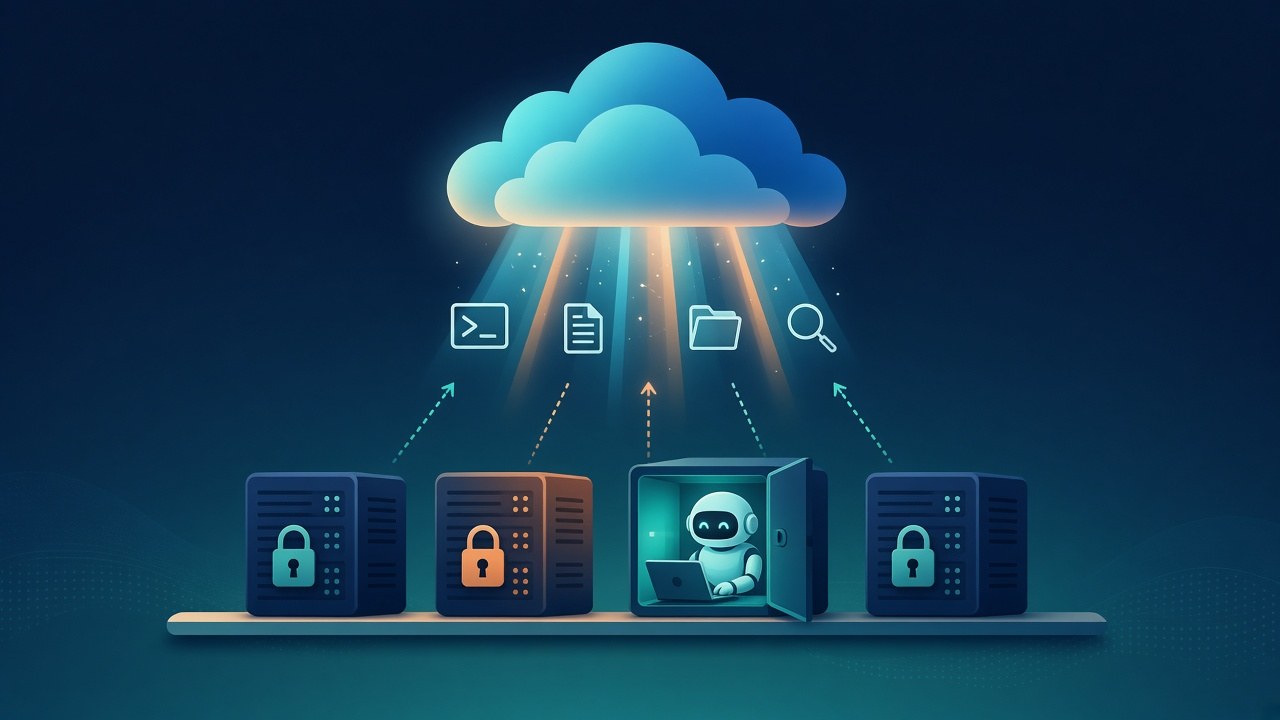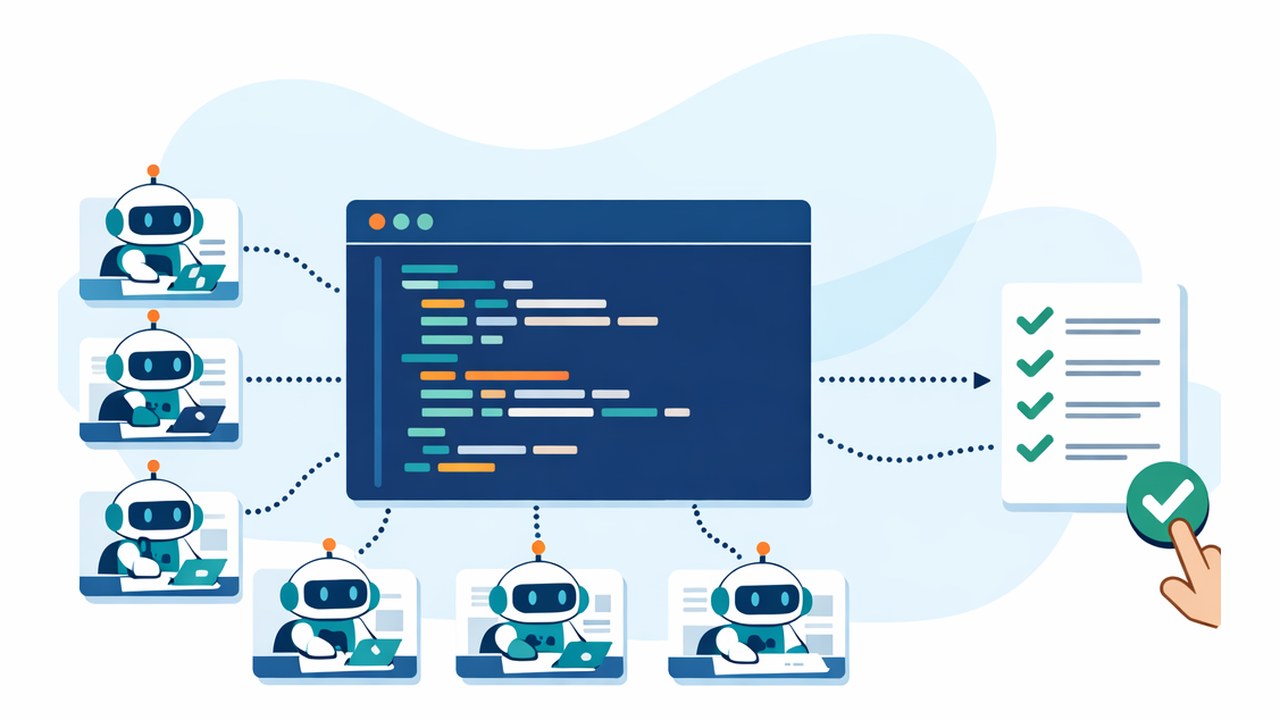
Google is rolling out Dynamic Workflows in Antigravity, its agentic coding platform, a feature in which the main agent writes a short Python script that starts and coordinates other agents. The company said on X on Friday that the approach gives developers "deterministic control flow instead of prompt drift." It is available on Google AI Pro and Google AI Ultra plans in the Antigravity app and command-line tool, according to Google's documentation.
Users start a workflow with the /run-workflow command or by asking for one in plain language. The agent writes the script from a built-in skill and shows it for approval before anything runs, unless the user's permission preset already allows it. The workflow then runs in the background, and when it finishes the main agent reads the logs and output and summarizes the results, the documentation says.
Code as the coordinator
The pattern moves orchestration out of the model's running conversation and into a program a person can read. Google's docs describe a small set of building blocks that group work into named phases. Within them, parallel() runs one agent per item at the same time, while pipeline() handles items one after another when they touch shared files or test suites.
Each agent a workflow starts is a full agent with its own conversation. Those agents "don't see the script or each other," so the script has to give each one everything it needs in its prompt, according to the documentation. Every agent returns its answer through a finish tool that checks it against a JSON Schema, and the script receives the parsed value.
Google said that design keeps file reads and test logs out of the main conversation's context. The docs also warn that in parallel(), if one item fails, the others are canceled.
Scripts can pick a model tier for each agent. The default inherits the conversation's model, and users can ask for lighter tiers such as flash or flash_lite for high-volume checks across many files, or pro for harder reasoning. For parallel edits, a branch setting gives each agent its own isolated Git worktree.
One of Google's example prompts has a persistent reviewer agent list the bugs in a folder and start one fixer agent per bug. The same reviewer then confirms that every bug it found is fixed. A working script can be saved to a file in the project and run again later.
Approval rules
Approval applies to the exact script, and Antigravity asks again each time a saved script runs unless the user has chosen to always allow it, the docs say. Agents started by a workflow follow the same permission preset and wait for approval inside their own conversations. Stopping the parent conversation stops every running workflow agent.
AlphaSignal reported that the feature has no separate price and draws on a plan's existing model credits. It noted that workflows with many parallel agents can trigger many model calls, which makes model choice the main control on spending.
Already used inside Google
Varun Mohan, who works on Antigravity at Google, wrote on X that Dynamic Workflows are "another extremely used feature internally." He said the model should be able to decide when to start one without the command, "similar to swarms," and added that more is coming.
The feature had been in testing in Google's developer kit for about a month. The Antigravity Python SDK added beta support for dynamic workflow orchestration in version 0.1.22, dated Oct. 12, and expanded it in version 0.1.23 on Oct. 26, according to its public changelog.
Antigravity now offers several ways to split work. The documentation recommends Dynamic Workflows for repeated checks or ordered stages where agents return results to a script, and /swarm, which Google released earlier this month, when agents need to talk to each other on a shared message board.
Source: Google Antigravity Docs, “Dynamic Workflows (/run-workflow)”
Additional sources: Google Antigravity on X, “We're rolling out Dynamic Workflows in Google Antigravity”; Varun Mohan on X, “Dynamic workflows are another extremely used feature internally”; GitHub, “Antigravity Python SDK changelog”; AlphaSignal, “Google Antigravity Ships Dynamic Workflows to Run Parallel AI Coding Agents”