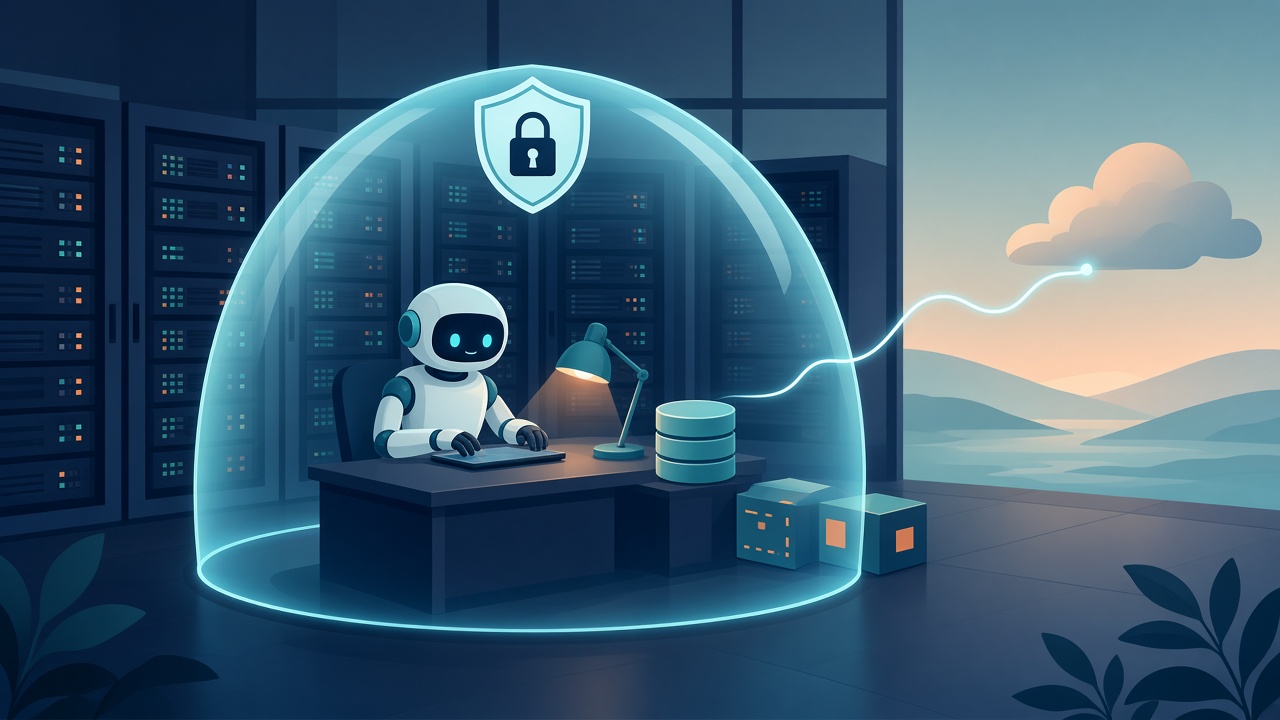
Anthropic has opened a private beta that lets companies run its entire Claude Managed Agents service on their own infrastructure, including the agent harness, sandboxes, stored credentials and session history. Customers request access through their Anthropic account team, the company said in a Nov. 12 post.
Managed Agents is Anthropic's set of APIs for building long-running autonomous agents. It launched as a hosted service on the Claude Platform, and Anthropic later let customers host only the sandbox, the isolated environment where an agent's code runs. "Until now, that meant building the platform themselves," Anthropic wrote of teams that wanted the whole service inside their own walls.
What the customer now operates
In the self-hosted setup, the customer runs the Managed Agents server along with its PostgreSQL database, plus the workers where agents execute shell and file tools, according to Anthropic. Developers keep building with the same core APIs as the hosted service. The setup can live in a company's own cloud account or in an on-premise data center.
Anthropic's quickstart starts the stack on one machine with Docker Compose and labels that version for development only, since it serves plain HTTP. For production, the company points customers to two Helm charts for Kubernetes.
Model calls still leave the building.
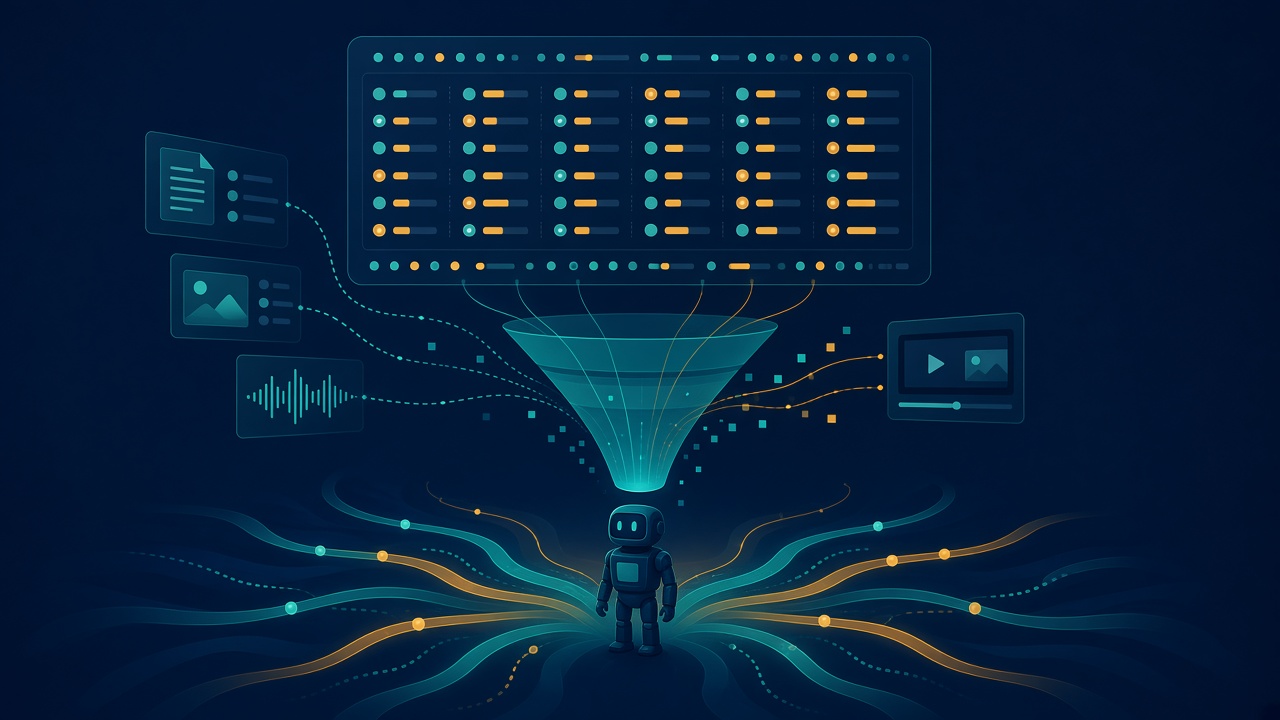
The server sends requests to whichever provider the customer picks: Anthropic directly, Amazon Bedrock, Google's Agent Platform, Microsoft Foundry or the customer's own gateway. Anthropic's security documentation says the server connects to Anthropic only when the Claude API is that provider, and that "Anthropic has no remote access to the server or its log." Organizations with a zero data retention agreement get the same treatment for these calls as for any other Messages API request, the company said.
Security built into the architecture
Anthropic said it designed Managed Agents around four principles that apply whether it hosts everything or the customer does. "When an agent runs unattended inside your code and systems, you can't rely on a person checking every step, so the limits have to be built into the system itself," the company wrote.
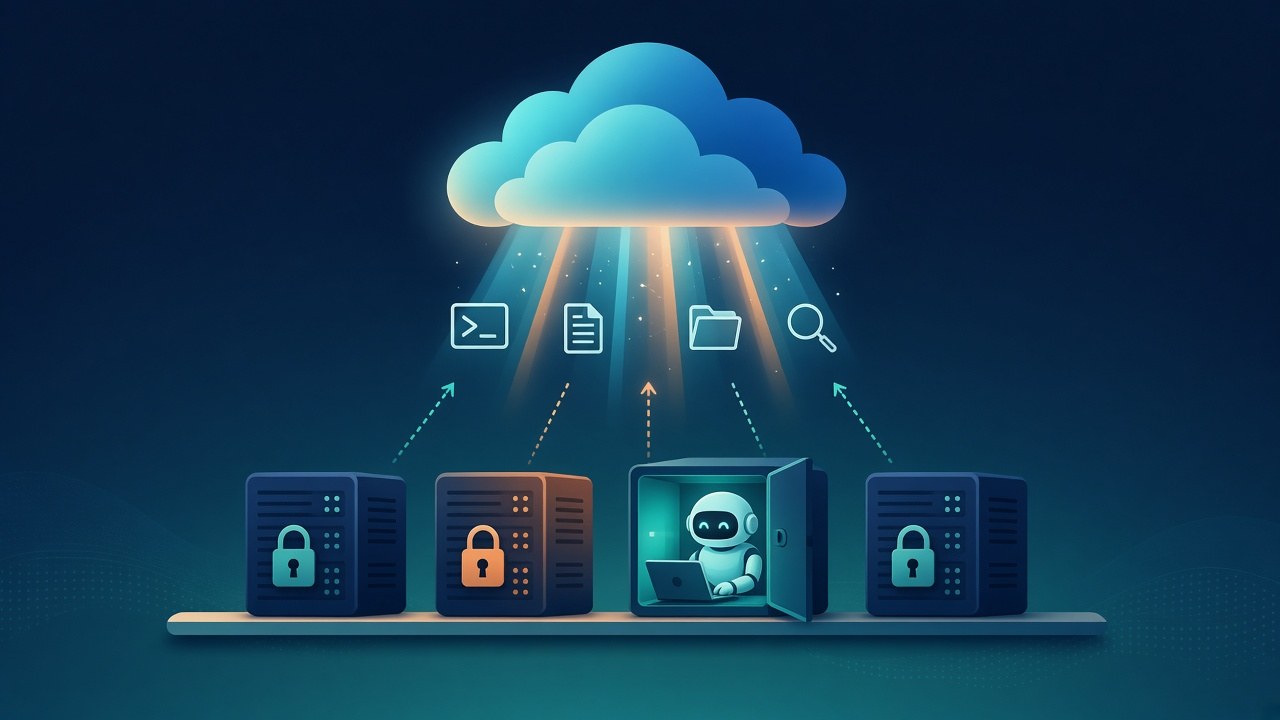
The harness that calls Claude is kept apart from the sandbox where code runs, so the agent loop and stored secrets sit outside the sandbox. For MCP tools and supported API calls, a proxy outside the sandbox attaches credentials to each request, and self-hosted customers can keep those credentials in their own secrets manager. Help Net Security noted that the protection covers only MCP tools and "supported API calls," so other services an agent reaches need separate review.
Each environment can be limited to an allowlist of hosts. Anthropic's example is a build-fixing agent that needs only a git host and a package registry. Every session also produces a record of each tool call and its result, which exports over OpenTelemetry to existing monitoring tools.
A shift of responsibility
The trade is operational work. Help Net Security wrote that keeping the self-hosted stack patched and configured correctly now falls to the customer.
Anthropic described the workloads driving demand as agents that fix broken builds, test releases, triage alerts and work through bug backlogs, running unattended with access to internal systems.
The release follows a similar but narrower step from Google. On Nov. 11, Google said developers using Managed Agents on the Gemini API could run agent tools in their own sandboxes. Google's documentation keeps the model calls and the agent loop on its side. Anthropic's version moves the loop and the session store to the customer as well.
Anthropic has not published pricing or a general availability date for the self-hosted option.
Source: Anthropic, “Operate Claude Managed Agents inside your security perimeter”
Additional sources: Anthropic docs, “Data and access in self-hosted Claude Managed Agents”; Anthropic docs, “Get started with self-hosted Claude Managed Agents”; Help Net Security, “Self-hosted Claude Managed Agents keeps agent credentials in your environment”