Tilo, listed in Y Combinator's Fall 2026 batch, is building a Linux-based, AI-native operating system that its founders describe as a distributed, collaborative computing environment. The company says AI agents and people share one computer on its system, and that every change either of them makes can be undone.
According to the tilo OS page, every app publishes typed actions that agents call and people press as buttons, so both work on the same live state. The software is released under the AGPL-3.0 open source license and is free to use, according to the company's website, which lists Xaver Emmerling and Quinten Wolff as founders.
An operating system that owns the state
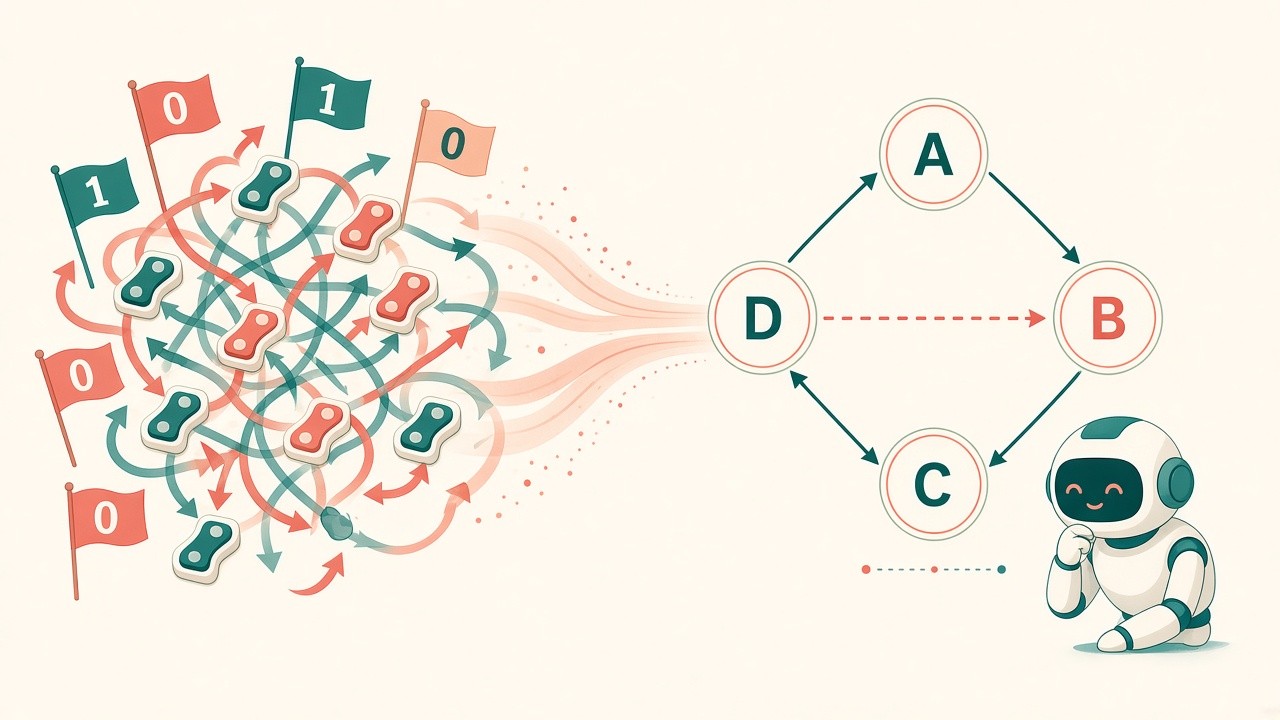
In an Oct. 29 LinkedIn post, Tilo argued that today's operating systems "still run on an idea from the 80s," in which each app owns its own state and clicking through the interface is the intended way to change it. The post said that model forces agents to "screenshot, guess where to click, wait, repeat," which it called "slow, expensive, and fragile."
Tilo's answer, according to the post, is for the operating system to own the state while developers write only the logic for how it changes. "A UI click and an AI action are just two ways to make the same state change," the company wrote.
The company's product site says agents use the same named items and actions the interface is built from, "so they never guess at pixels or wait for screenshots." Tilo says agents work in their own workspaces, so their windows do not pop up in front of the user, and that they run on the user's computer rather than in a remote cloud.
Permissions and undo
Tilo says an agent joins a workspace under its own name with access only to the items and actions needed for one task. Grants are plain, readable data, and removing an agent closes its grants, according to the site. "There is no back door for agents that people do not have," the company says.
Every change an agent makes carries its name and lands in a workspace log next to the user's own edits, Tilo says, so a user can find the change and undo it. The tilo OS page says the same log records edits to files, notes, spreadsheets and photo adjustments, which can be reverted in one click without using git.
Workspaces and apps
The company says windows line up side by side in horizontal strips instead of overlapping, and that a workspace holds its own files, app state and collaborators. Two people can edit the same workspace at once with named cursors, and workspaces sync between devices peer to peer over Iroh, according to the tilo OS page.
Tilo says about fifty native applications use its model, covering documents, spreadsheets, calendars, maps, music and books. It gives one comparison for size: its Notes app is a 0.64 MB package, while Trilium Notes, which ships the Electron browser engine, is 365 MB. Standard Linux apps built with GTK, Qt or Electron open as ordinary windows, and Windows software runs through Wine, Proton or a managed virtual machine, the company says.
The system is built on Fedora and Wayland, and the full source is public at code.tilo.so, according to Tilo. The company describes the software as alpha and recommends trying it in a virtual machine first. It also offers a desktop session that installs beside GNOME or KDE and a browser version at tilo.coffee.
Tilo has not disclosed funding beyond its Y Combinator backing, and AgenticFeed has not tested the software.
Source: Tilo, “tilo”
Additional sources: Tilo, “tilo OS”; Tilo, “Tilo: a new operating system”; Y Combinator, “Tilo: A Linux-based, AI-native operating system”; LinkedIn, Tilo (YC F26), “Every operating system you use today still runs on an idea from the 80s.”