Google has started rolling out /swarm, a command in its Antigravity coding tools that turns a single conversation into the coordinator of a team of AI agents working in parallel. The Antigravity team announced the feature in preview on Nov. 10 alongside its Gemini 4 Carbon model, and said it is available in the Antigravity App and the Antigravity CLI.
According to Google's documentation, the command is available on Google AI Pro and Google AI Ultra plans. The Antigravity changelog lists /swarm in version 2.31.0, dated Nov. 9, as a way "to coordinate multiple subagents over a message board to complete long-horizon tasks."
How a swarm is organized
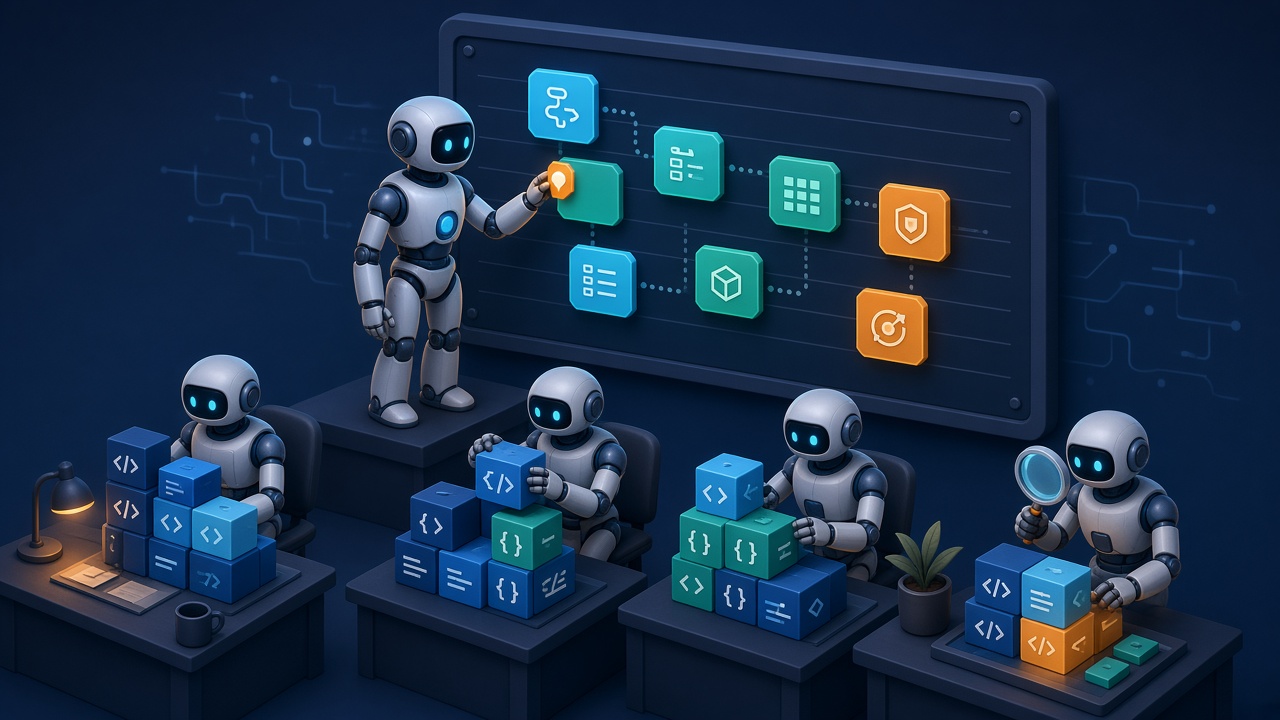
When a user runs /swarm with a task, the documentation says, the current conversation becomes the coordinator. It names the swarm, divides the work into pieces that should not collide, such as one worker per file or per package, and adds a named worker for each piece. Each worker starts with a clean context, and its brief is posted where every member can read it. The brief states which work the worker owns and what it must not touch, along with what counts as done.
The coordinator usually adds a verifier for every two to four workers, according to the docs. The verifier reads the diffs and runs the tests, then sends problems back to the worker that wrote the code. Google says the coordinator also adds a monitor that stays asleep while work progresses and posts only if every member goes quiet before the job is finished. The coordinator does not do the technical work itself.
All communication runs through one shared board using @mentions, and workers do not message each other privately, the documentation says, "so the whole team conversation stays in one place, in order." Members with nothing to do sleep on the board without using tokens and wake when another member mentions them.
Why Google built it
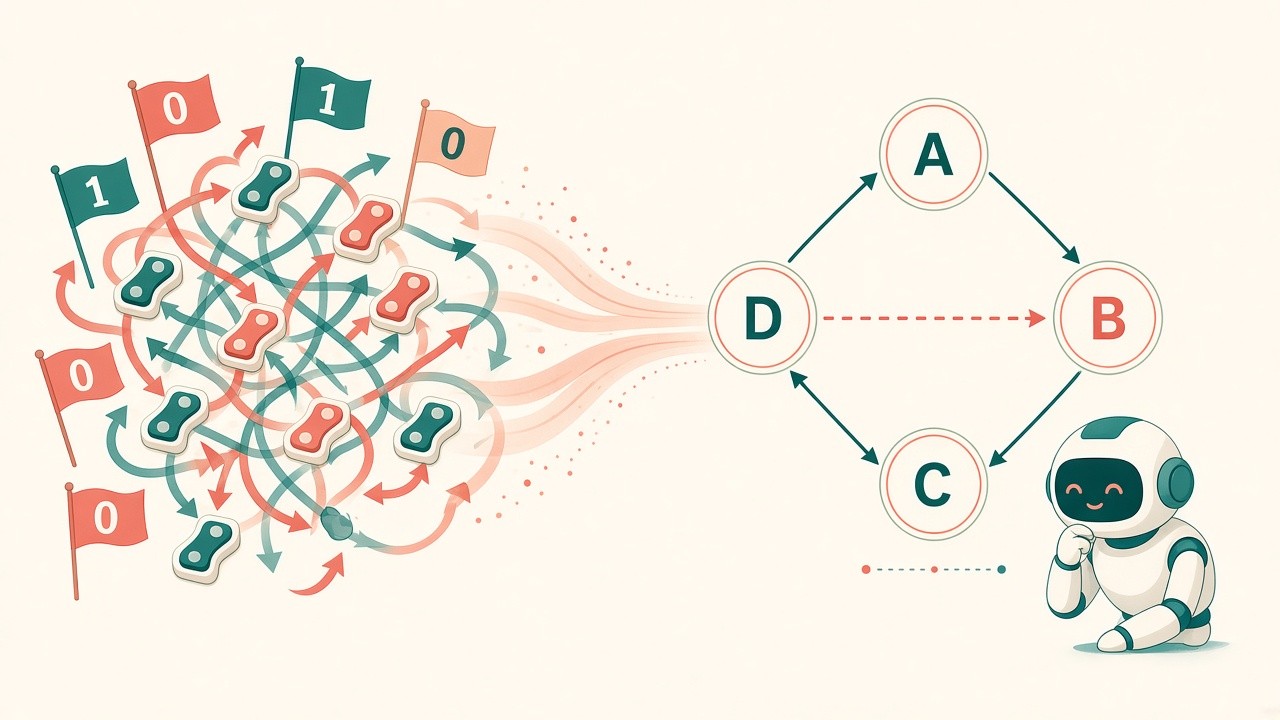
In its announcement, the Antigravity team wrote that dynamic subagents, in which a primary agent spins off helper agents, were "still bottlenecked by a single coordinator context reviewing, synthesizing, and routing every step." The blog post says /swarm places workers in isolated git worktrees "so edits never collide." The docs describe this as optional: workers share the user's workspace by default, and the coordinator can give each one its own working copy when several edit or build at once.
Agents in a swarm can be pinned to different models, according to the blog post. Google suggests using Gemini 4 Carbon for coordinator, architecture, cybersecurity auditing and adversarial verification roles while lighter models handle parallel edits. The company says Carbon ranks first on CursorBench 4.0 and on Perplexity's WANDR benchmark.
Google wrote that its engineers ran swarms for five weeks of internal testing on work including multi-package migrations and root-cause investigations that crossed subsystems. Both the blog and the docs warn that a swarm uses quota much faster than a single conversation, because every worker is its own agent. If a member runs out of quota, the docs say, it pauses rather than retrying.
Where it fits
Antigravity now offers several multi-agent modes, according to the documentation, which recommends subagents for a single side task, /boost for hard bugs that need deep reasoning, /swarm for work that splits across independent files or questions, and /teamwork for repository-scale migrations and long research projects run through a milestone plan with audit gates.
The release comes as researchers try to measure orchestration directly. WorkflowArena, a benchmark from Einsia.AI and Tsinghua University submitted Nov. 9, scores how models divide long projects among worker agents. Its authors reported that the best of 25 configurations they tested reached a 36.95% resolved rate, and wrote that "workflow organization is itself a measurable determinant of task performance."
Source: Google Antigravity Blog, “Gemini 4 Carbon and /swarm”
Additional sources: Google Antigravity Docs, “Swarm (/swarm)”; Google Antigravity Changelog, “Changelog”