Mirrors is building software for developers whose AI agents keep making the same mistakes after a fix has been added to the prompt. In its Launch YC post, the company describes a way to write a correction once, choose the situations where it belongs and measure what happens when the agent receives it.
The company is part of Y Combinator's Fall 2026 batch, according to YC's founder directory. Its founders are CEO Aryan Singhal and CTO Aditya Gupta, according to the launch post and Gupta's YC profile.
In brief
Mirrors, a Y Combinator Fall 2026 company, helps developers find the mistakes their production AI agents keep repeating, apply targeted corrections only in the situations where they belong, and measure whether each fix worked.
That description reflects the workflow set out in the company's launch post and website.
A fix does not need to reach every conversation
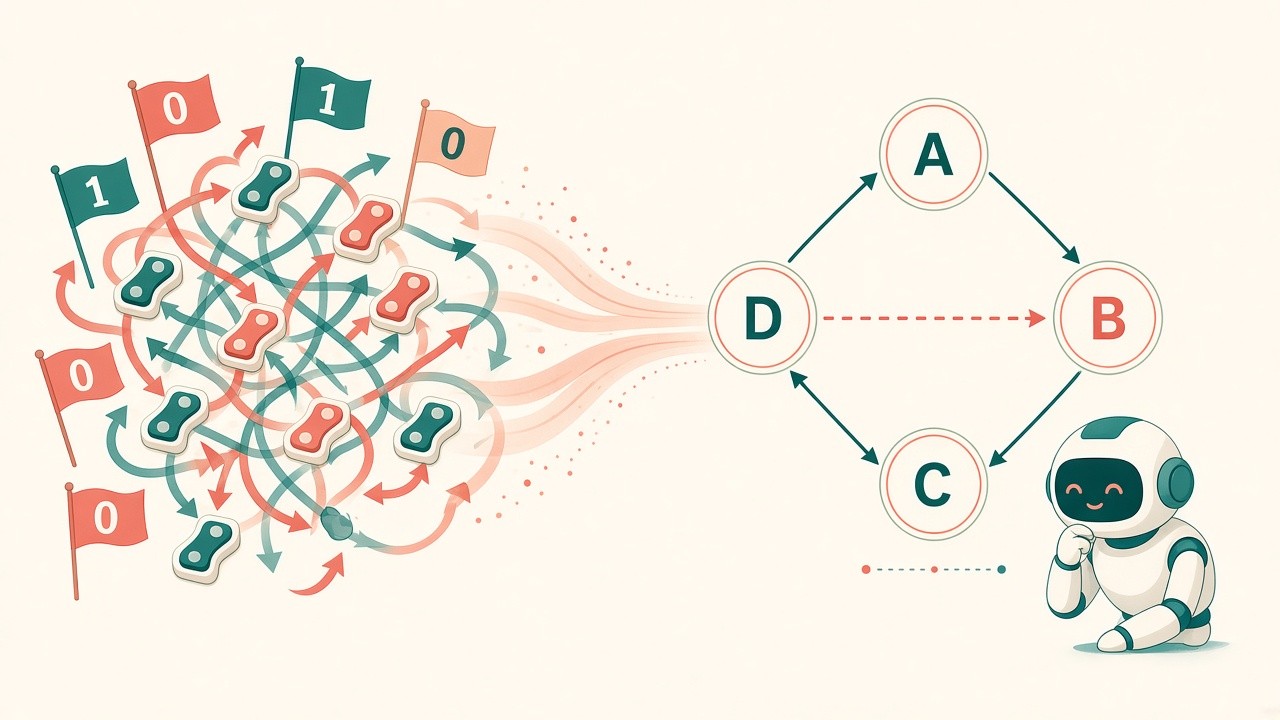
In the launch post, Singhal describes a familiar support-agent problem: the agent suggests troubleshooting steps a customer has already tried. Adding a rule to the system prompt makes that instruction part of every conversation, even when it is irrelevant, the founders argue. Repeating that approach leaves developers with more instructions to maintain and little clarity about which ones help.
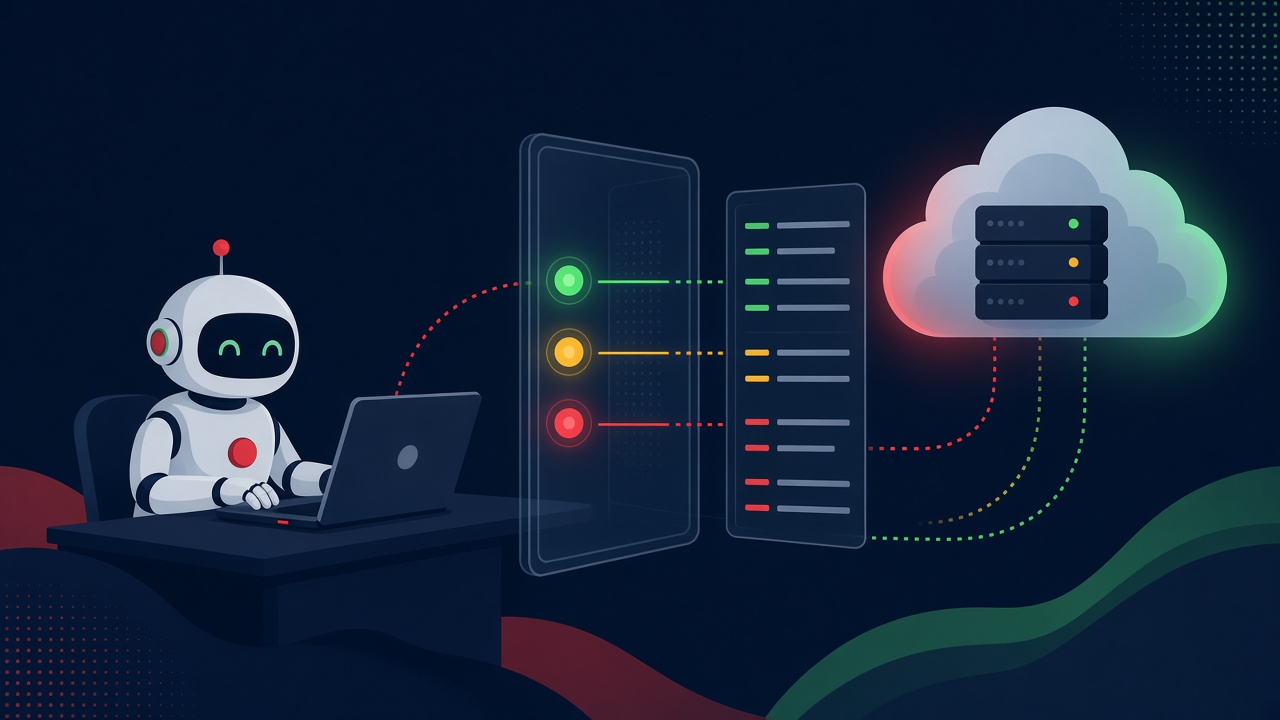
Mirrors says it surfaces recurring mistakes across production runs. A developer writes a short correction, selects the circumstances where it should apply and previews the stored conversations it would have reached. Once activated, the correction is added only in those situations, according to the company.
Corrections can be scoped to accounts and workflows, the launch post says. Developers can then compare outcomes with and without a correction. The company presents this as work that sits alongside observability and evaluations, rather than replacing them: its FAQ distinguishes inspecting past behavior and testing before release from applying corrections during production use.
The application keeps its model and tools
Developers connect through an SDK, send agent conversations and request corrections once per user turn, according to Mirrors' FAQ. The company says the SDK works with any agent framework while the developer's application retains control of model calls and tools.
The FAQ puts the default maximum wait at 1,000 milliseconds per user turn and says developers can set a shorter limit. If Mirrors does not respond before that deadline, the agent continues without a correction. That makes the timeout an integration constraint, not a promise that a correction will always arrive.
A founder example, not a benchmark
The founders say one design partner's agent encountered 75 errors while editing a single travel guide, despite a rule telling it to stop appearing four times in the prompt. They use the example to explain why they want instructions delivered at the moment they apply.
The launch post does not provide a measured before-and-after result for that example. It illustrates the problem Mirrors is trying to address, rather than establishing a verified improvement in agent reliability.
Source: Mirrors, “Company website and FAQ”
Additional sources: Launch YC, Aryan Singhal, “Mirrors: Fix recurring AI agent mistakes with real-time guidance”; Y Combinator, “Aditya Gupta founder profile”