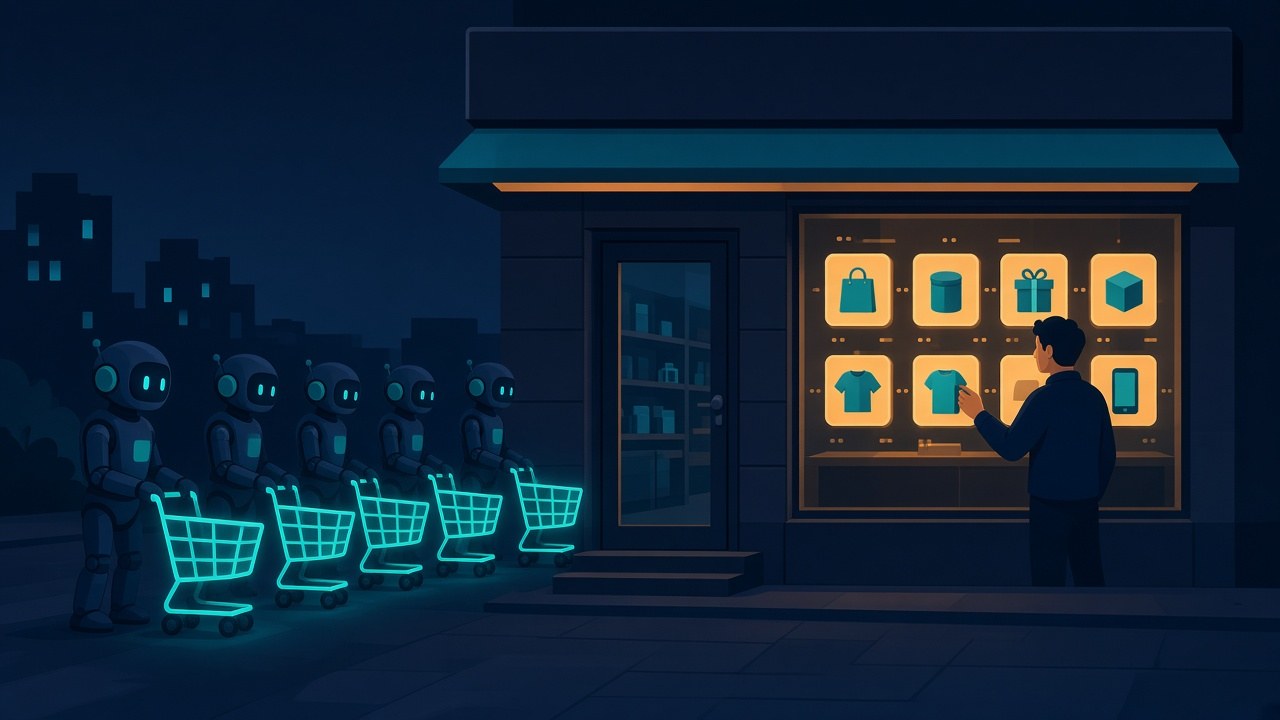
Two partners at Andreessen Horowitz argued on Nov. 10 that AI agents have become the primary users of the internet, and that businesses will have to compete for their attention much as they once competed for human visitors. In an essay titled "Welcome to the B2A Economy," Olivia Moore and Justine Moore wrote that retailers and platforms spent years building walls to keep bots out and "now, they will have to fight for bots' business."
The essay is the first in a planned series on what the authors call the agent economy. They wrote that agents now make up the majority of web traffic and generate most of the code pushed to production, though the essay does not say where the traffic figure comes from.
The numbers behind the argument
The authors pointed to bot-detection company Human Security, which they said saw agentic browser traffic grow eightfold between August and October. An agent called Muse drove the largest share of that activity at 60 percent, and OpenAI products reached a combined 30 percent, according to the essay.
Human Security's own 2026 State of AI Traffic and Cyberthreat report, which covers 2025, found that traffic from AI agents and agentic browsers grew 7,851 percent year over year, from what it called a very low base. In that report, 77 percent of agentic activity took place on product and search pages and 2.31 percent on checkout pages. The company wrote that agents completing checkouts "was largely theoretical before 2025."
The Moores also cited Shopify, which reported that AI-driven traffic to its stores grew eightfold year over year in the first quarter of 2026 while orders from AI-powered searches grew nearly thirteenfold. They wrote that AI-referred consumer traffic converts better to revenue than other traffic and has a lower bounce rate.
Coding agents as the test case
The essay treats coding agents as an early example of the shift. The authors wrote that as of September 2026, upwards of 40 percent of GitHub pull requests started with an agent's draft, compared with 17 percent six months earlier.
They also listed figures reported by developer infrastructure companies. Supabase said in June that more than 60 percent of new databases are launched by AI tools, and Stripe said agents accounted for nearly 40 percent of its documentation traffic and 70 percent of CLI requests for API resources. Vercel reported in October that agent-triggered deployments had increased 28 times over twelve months, according to the essay.
From browsers to connectors
Most agent traffic today runs through browser use, the authors wrote, in which an agent takes over a user's browser or runs its own and clicks through sites the way a person would. They said an alternative is emerging in connectors and MCP servers that let agents reach third-party tools directly.
As an example, the Moores said they asked ChatGPT to create and edit a video ad with several creative-tool plug-ins, and that it coordinated across the products and upsold them on a paid Descript plan to finish the job. They also pointed to Businesses in ChatGPT, which OpenAI launched this week so companies can claim profiles and add product feeds.
The essay names four groups it expects to benefit: agent makers, products newly enabled by agents, incumbents that optimize for agents, and agent infrastructure companies. On infrastructure, the authors wrote that they already see "system strain at fairly low agent volume," with payments and identity checks among the pressure points.
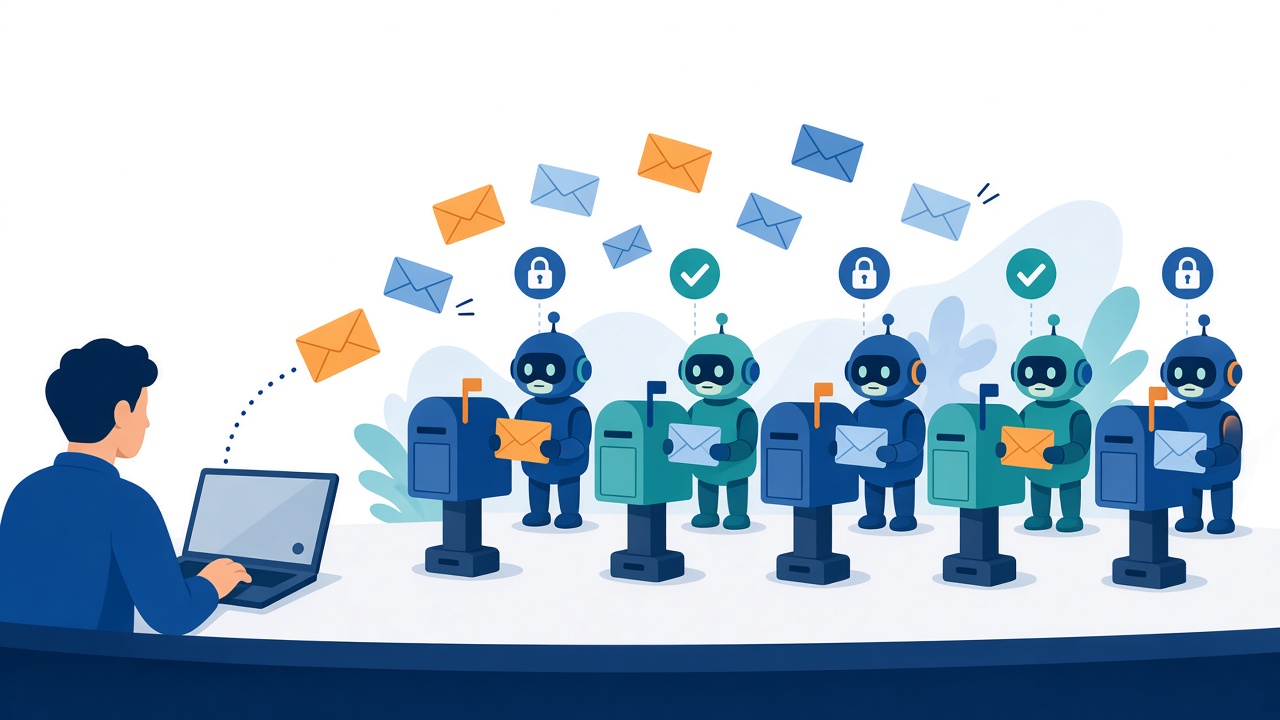
They acknowledged resistance as well. "Most enterprises are still blocking agent traffic due to concerns about fraud and chargebacks," the essay says, though the authors argued companies will have to accept it. Measurement is unsettled too: INMA reported on Nov. 9 that the Media Rating Council lists "agentic validity" as an open issue, and that ad-verification firms have no category yet for a valid agent acting for a person.
Source: Andreessen Horowitz, “Welcome to the B2A Economy”
Additional sources: HUMAN Security, “The 2026 State of AI Traffic & Cyberthreat”; INMA, “Agents are an audience now”