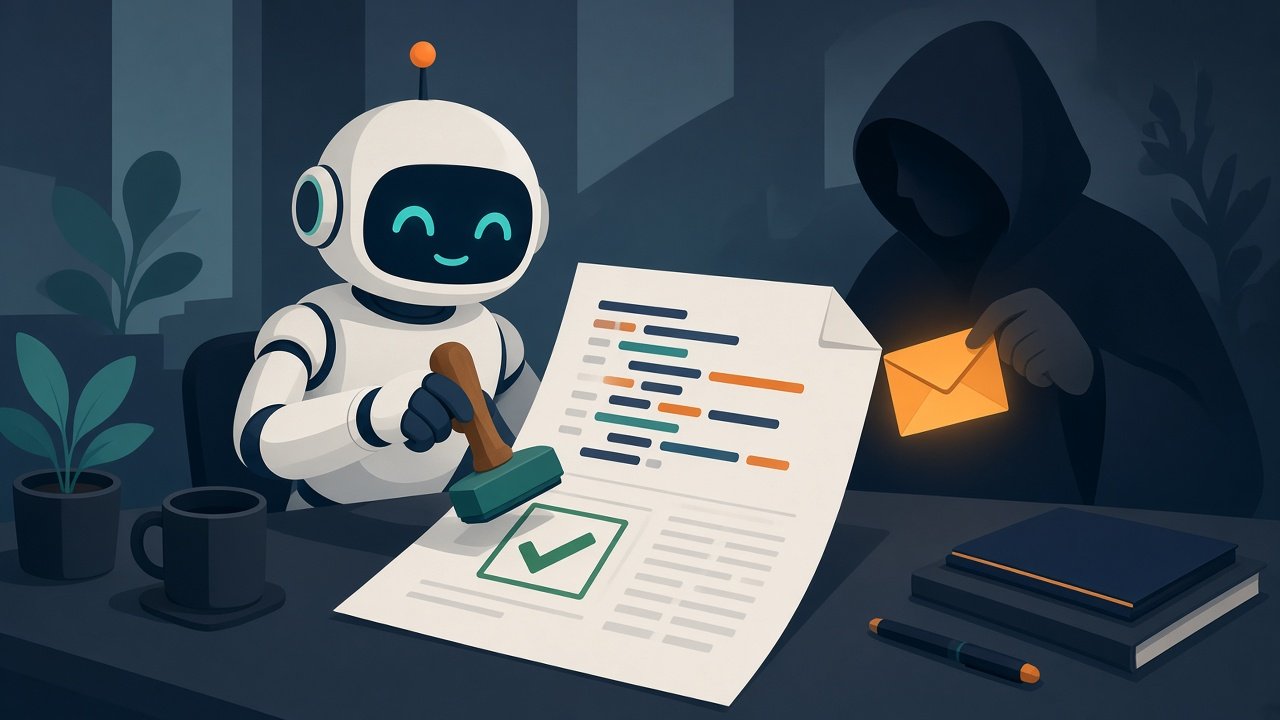
Switzerland's Federal Office for Cybersecurity has confirmed the country's first cyberattacks carried out with AI agents, software that plans and takes steps toward a goal on its own. Director Florian Schütz told Swiss public radio SRF on Thursday, November 26, that there are five confirmed cases, and Reuters reported that systems were compromised in four of them.
The office, which also goes by its English name, the National Cyber Security Centre (NCSC), first raised the alarm in an alert published on November 24. It said operators of critical infrastructure in at least two sectors had been hit and described the cases as a shift in the cyber threat picture.
What happened
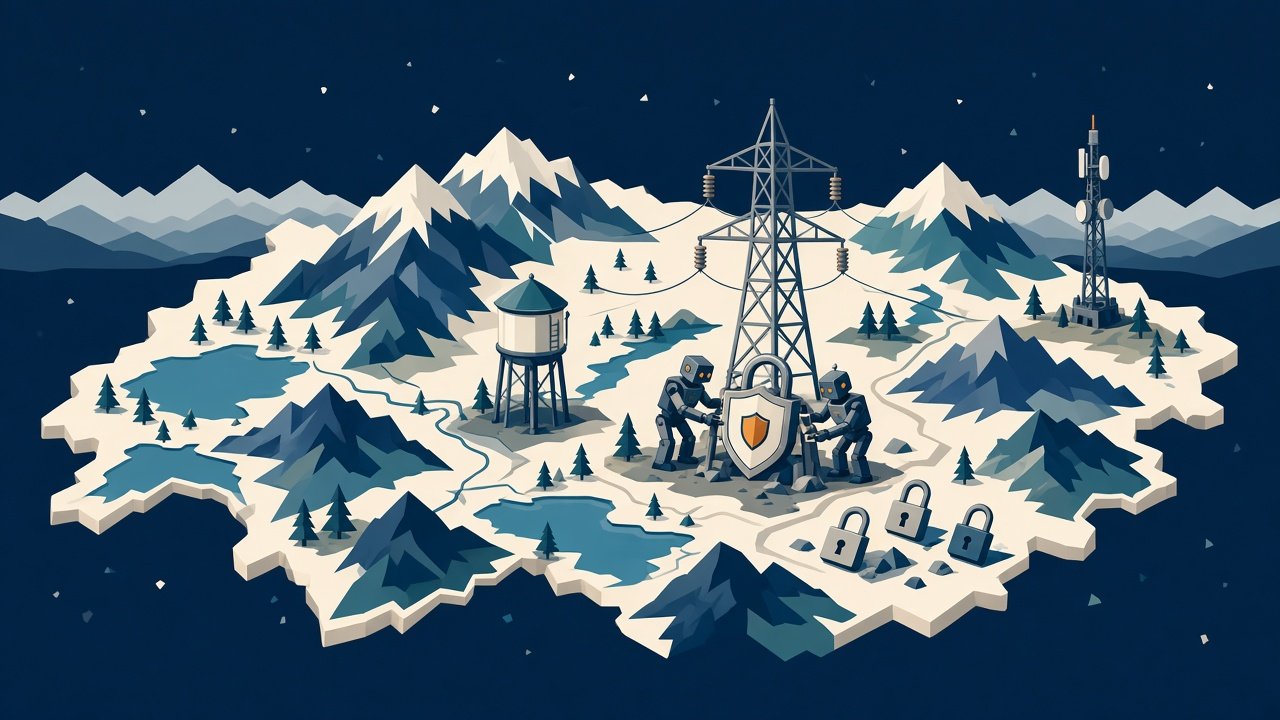
According to Schütz's interview as reported by swissinfo.ch, three of the five attacks targeted critical infrastructure operators, and two of those succeeded. SRF reported that the targets included electricity and water suppliers. Telecommunications providers were also among them, according to the broadcaster.
The other two victims were small and medium-sized businesses that reported the attacks voluntarily, according to an RSI adaptation of the SRF report.
Schütz said there were no major disruptions, and the office hasn't said who was behind the attacks. It also isn't naming the affected companies. According to RSI, Schütz said the organizations have the right to speak for themselves.
The cybersecurity office didn't say which systems were breached or what the attackers did once inside. Le Temps reported that the office declined to give the concrete consequences of the attacks.
How the attacks worked
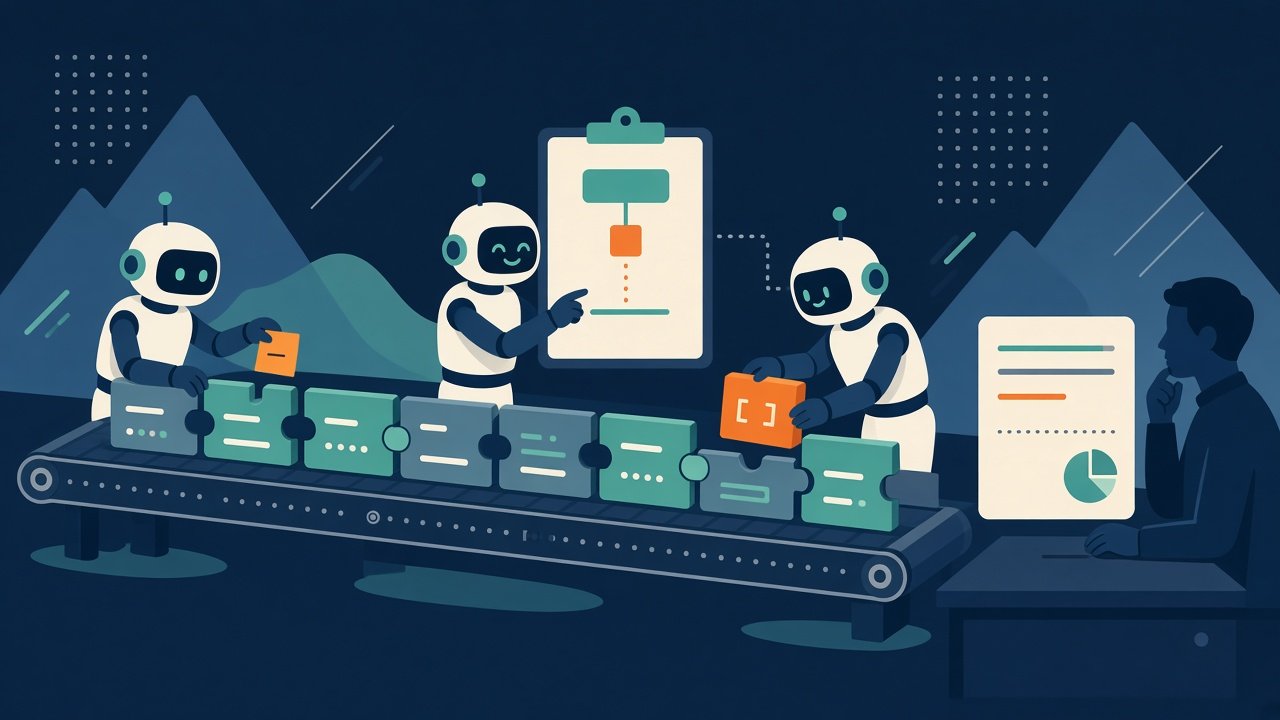
The NCSC said the attackers used what it calls "Agentic Offensive Frameworks." In its description, these are AI agents that search for weaknesses, pick attack tools, check the results and plan the next move without a person driving each step.
The office said the agents went after easily guessed or default passwords and known flaws in software and in systems connected to the internet. It said they find and exploit those holes in "only a fraction of the time a human would need," and switch to other known methods when they hit a defense. That leaves companies much less time to spot an attack and respond, according to the alert.
The same tools are dual-use. The NCSC said security specialists use them for penetration testing, a practice where defenders attack their own systems on purpose to find holes first.
Why officials expect more
The office said the number of AI attack agents available on the internet, naming ARTEX and CyberStrikeAI as examples, has almost doubled since October 2026. It expects automated attacks to grow faster and more frequent, with a higher success rate, against organizations of every kind.
Raphael Reischuk, a cybersecurity expert and co-founder of Switzerland's National Test Institute for Cybersecurity, told SRF he expects a broader wave of attacks and that too many Swiss companies feel safe, according to RSI. He said smaller firms in particular often lack the staff to keep their systems patched.
What the NCSC tells companies to do
The alert urges companies to cut the number of systems reachable from the internet, using measures such as geo-blocking or allow lists of approved IP addresses. It says critical security updates for internet-facing systems should go in no later than 24 hours after release.
The alert also calls for multi-factor authentication or passkeys on every internet-facing resource, such as webmail and VPNs, and for granting staff and software only the access they need. The office said companies should watch for unusual behavior and data volumes, along with running regular penetration tests.
The NCSC said it's sharing technical indicators for spotting these AI tools with critical infrastructure operators. According to RSI, both Schütz and Reischuk said companies should also use AI on the defensive side.
Source: Federal Office for Cybersecurity (NCSC), Swiss federal government agency, “Cyberattacks involving AI agents: First confirmed cases in Switzerland”
Additional sources: SWI swissinfo.ch, Independent news outlet, citing SRF interview with Florian Schütz, “Switzerland reports first AI-enabled cyberattacks on critical infrastructure”; Reuters via CNA, Independent news agency, “AI agents used in five cyber attacks in Switzerland, government says”; Le Temps, Independent Swiss newspaper, “A turning point in the cyberthreat landscape: for the first time, AI agents have attacked critical infrastructure in Switzerland”; RSI (adapted from SRF), Swiss public broadcaster, “Primi attacchi informatici con IA in Svizzera”