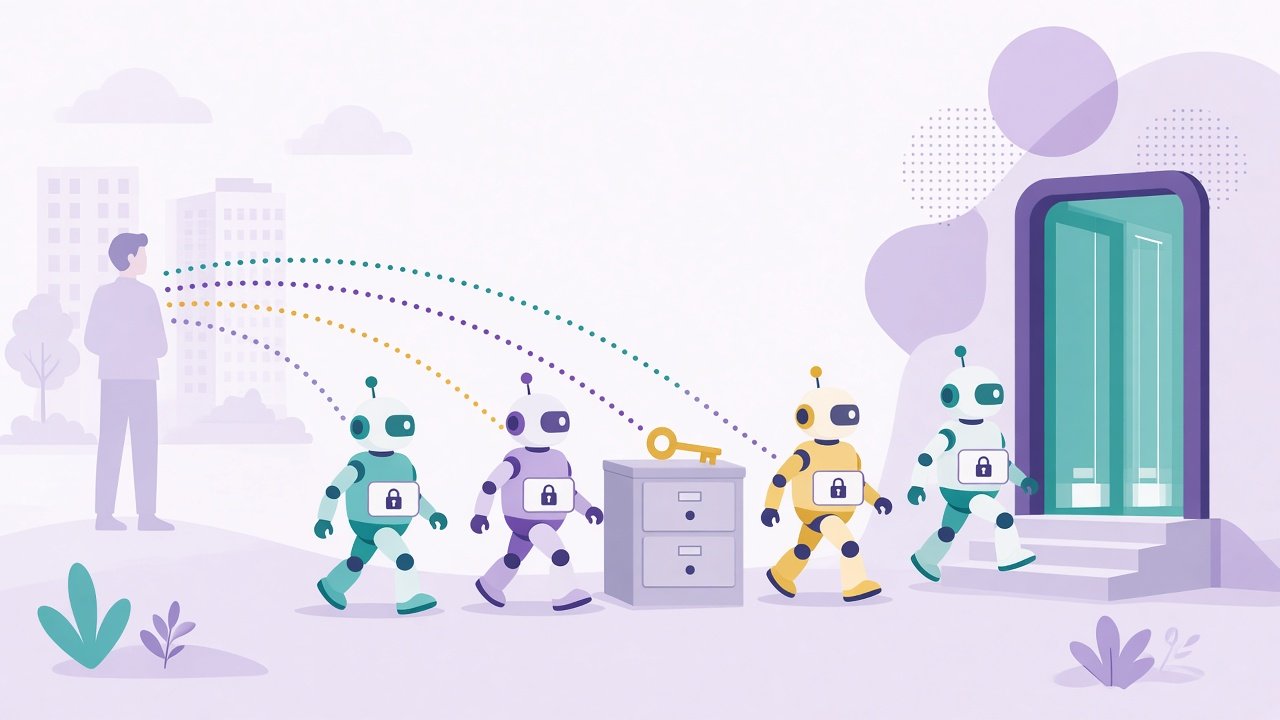
The Center for AI Safety (CAIS) and 49 co-authors published a proposal on November 24 for a standard way to identify AI agents online and trace them to the people or companies responsible for them. The paper, "The Accountable Agents Framework (AAF): A Blueprint for AI Agent IDs," has 51 authors, led by Adam Khoja and Leo Wu of CAIS, with Dan Hendrycks of CAIS and Gillian K. Hadfield of Johns Hopkins University as senior authors.
"The internet runs on trust, but websites can't trust AI agents that no one is responsible for," CAIS wrote on X when it released the paper.
The accountability gap
AI agents are systems that take actions on their own, usually for a person or organization. The authors argue there is "no standardized way to identify agents or their principals online," where a principal is the person or business that authorizes the agent.
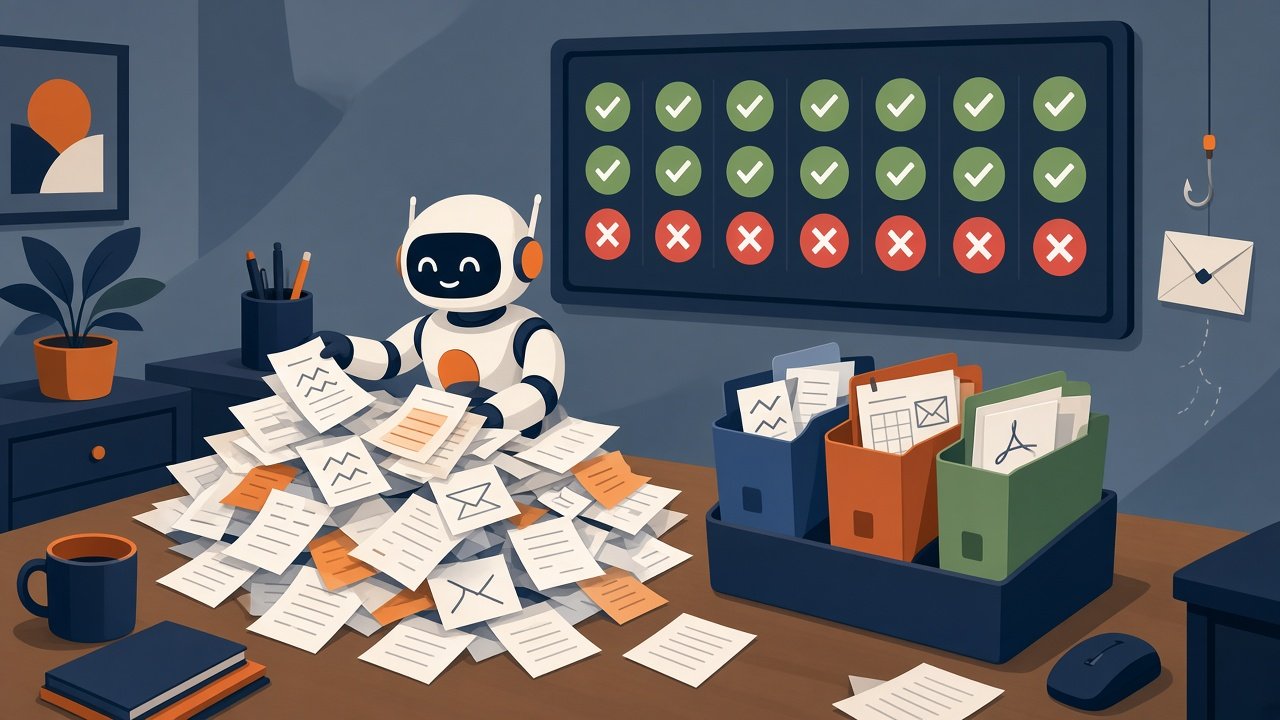
They cite a September 2026 Cloudflare report that daily web requests from AI agents grew more than 1,700% from the prior year. The paper says the missing link also slows agent commerce, because services that can't tell authorized activity from abuse often block automated traffic wholesale, shutting out useful agents along with harmful ones.
How the framework works
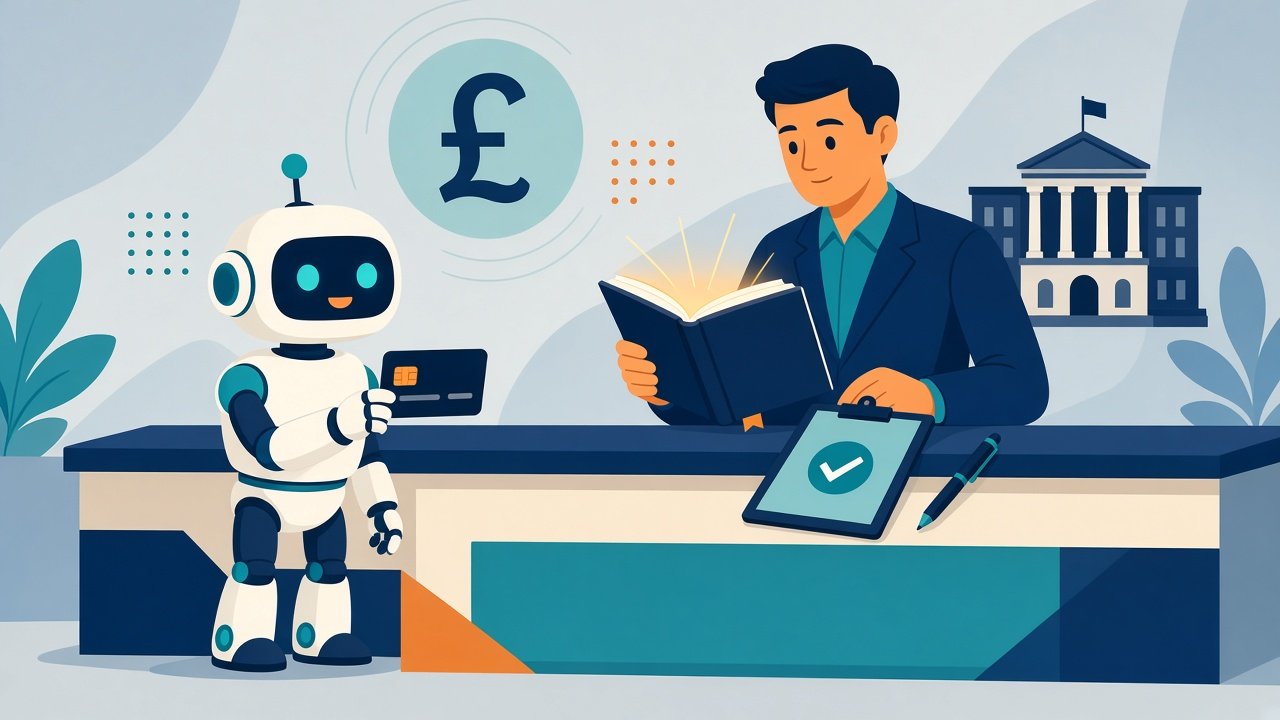
AAF defines four kinds of actors. Principals register their agents with directories, which are trusted third parties that verify the principal's identity and issue the agent an ID. When the agent contacts a counterparty, such as an online store or a bank portal, it sends a "presentation," a bundle of signed claims that includes that ID.
The paper compares the IDs to license plates. They reveal nothing about the agent or its owner by default, and they can be unlinkable, meaning a website can't connect two visits to the same agent from the ID alone. An agent can instead use a reusable ID unique to one service, called a pairwise pseudonymous identifier, to keep an account or a reputation there.
If an agent causes harm, the directory can reveal its principal "according to an established process, such as in response to a lawful request," the authors write. Co-author Stephen Casper of Harvard University put it this way on X: web services "should have an easy option to identify the agent in a way that could, during a lawful investigation, link the agent to its principal."
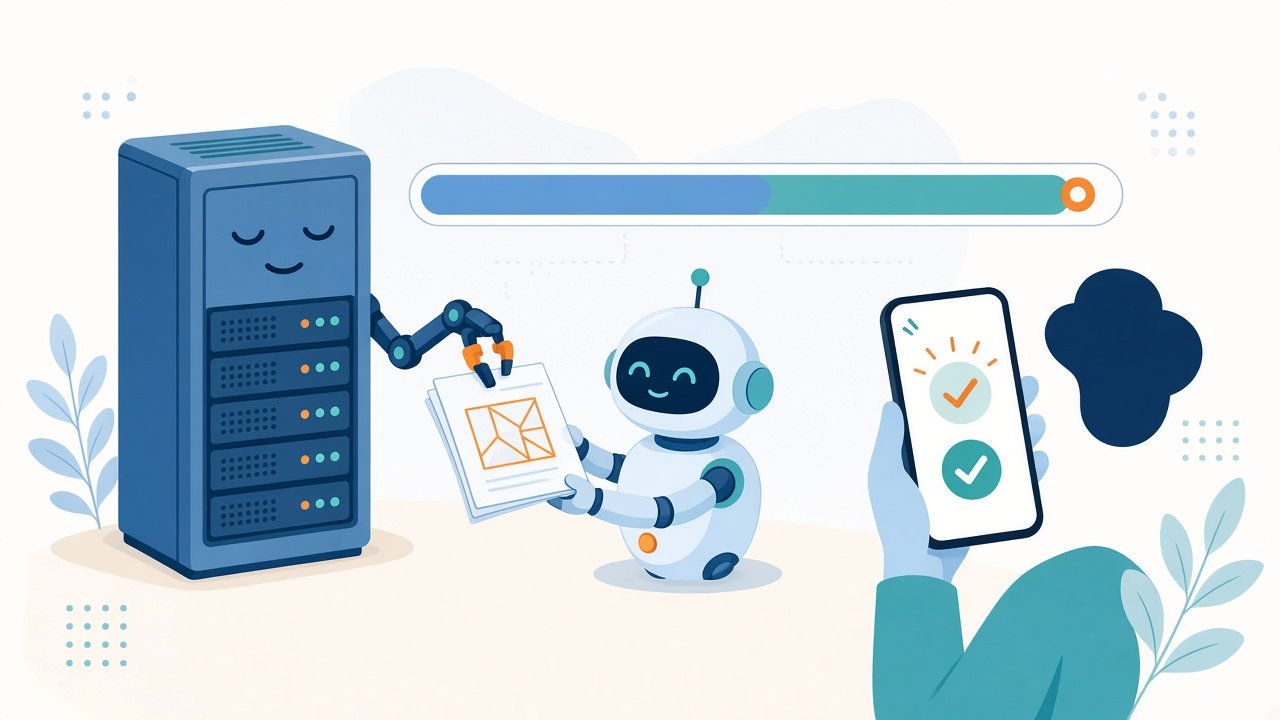
Counterparties can check a presentation without contacting the directory, the paper says, much as web browsers check a site's certificate using a certificate authority's public key. Services that ignore presentations can keep serving agents as they do today, which the authors say makes the framework backward-compatible.
Who would run the directories
The paper doesn't pick a single operator. Directories could be run by identity providers such as domain registrars or payment networks, by private companies, by industry groups or by public agencies, the paper says. The authors cite China's proposed national agent ID system and Ethereum's ERC-8004 standard as examples at opposite ends of that range.
The authors also spell out limits. They write that directories holding records linking IDs to real people could be breached or misused, and an outage or a wrongful revocation could stop agents from transacting. Strict identity checks could shut out people without government ID or bank accounts, and the authors warn that if services demand high-assurance identity for routine tasks, "agent IDs could erode online anonymity."
According to the paper's acknowledgements, the work began at a Multi-Agent Ecosystems workshop that CAIS and Hadfield hosted on August 8 and 9, 2026, at Stanford University's Center for Advanced Study in the Behavioral Sciences. The paper's author list includes researchers from MIT, Harvard's Berkman Klein Center, the OpenID Foundation and agent payments company Skyfire, along with security technologist Bruce Schneier.
The paper doesn't name any company that has committed to running a directory or to requiring agent IDs from the agents that visit its services.
Source: Accountable Agents Framework paper, Adam Khoja, Leo Wu et al., “The Accountable Agents Framework (AAF): A Blueprint for AI Agent IDs”
Additional sources: Center for AI Safety on X, Center for AI Safety, “Announcement post”; Stephen Casper on X, Stephen Casper, “Co-author summary”