Developers spent Monday arguing on X about the "software factory," a label for systems that start coding-agent sessions from triggers rather than from a person typing each prompt. Educator Matt Pocock posted a Nov. 9 defense of the term that, according to X public metrics as of early evening Toronto time, had drawn more than 1,500 likes, while Warp CEO Zach Lloyd has posted for weeks about how his company runs the pattern in production.
The debate is less about branding than about where the work sits. Earlier this year, Pocock wrote, strong teams mostly used agents to ship features and fix bugs. Now, he said, those teams are building automations that help agents do that work for them. They have moved up a layer, from product work to the system that produces the product.
What people mean by the term
Pocock's AI Coding Dictionary defines a software factory as "a system of work where triggers, not humans, start agent sessions, so more work runs AFK and HITL time is saved for what needs it." AFK here means away-from-keyboard runs. HITL means human-in-the-loop review. The same dictionary lists a "dark factory" as code a factory writes that no human reviews.
In his Nov. 9 defense, Pocock called the label both hype and useful. "It's bullshit. It sounds fancier than it really is," he wrote, and "It's a bandwagon." He still preferred it to vaguer words like loops or workflows, because it names the shift: "We're not working on the product, we're working on the factory that builds the product."
Lloyd has made a similar case from the product side. In an Oct. 16 talk he recorded for X after AI Engineer NYC, he said software engineering is becoming factory engineering, with new work such as factory benchmarking. An Oct. 3 post from Lloyd described Warp's default automation loop for Warp Factories as triage, spec, implement and review. A Sept. 15 article he posted framed adoption as crawl, walk and run, moving from local interactive agents toward automated cloud development.
Why the shift matters for agents
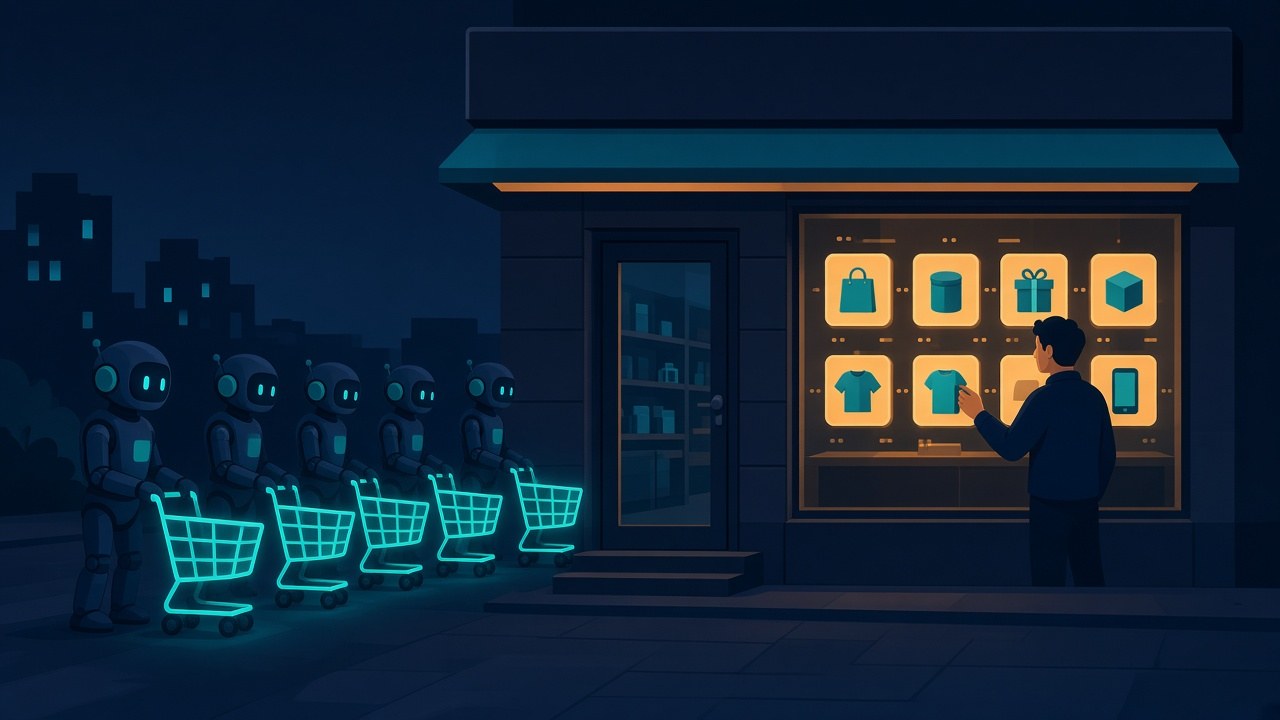
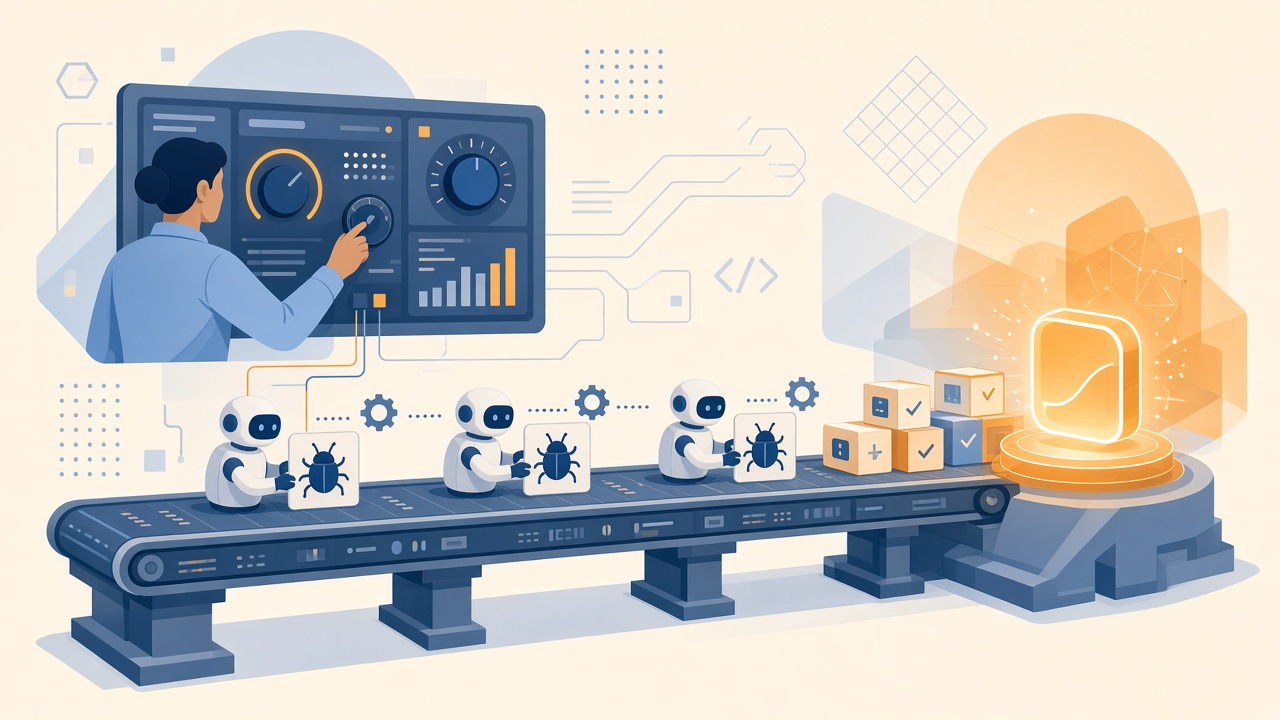
The practical change is who starts the session. In a classic chat, a person prompts an agent, waits, then prompts again. In a factory setup, a new issue, a failing test, a schedule or another trigger can open a sandboxed agent run. People still design the harness, the checks and the review gates. They spend less time kicking off each unit of work by hand.
That is why verification keeps coming up in the same threads. On Nov. 5, Lloyd wrote that verification is the next bottleneck for teams building a software factory, and that agents need better tools to check their own work before humans review pull requests. Pocock's course materials, which he has previewed publicly, walk through a basic factory on GitHub Actions and then ask builders to design their own.
Caveats in the debate
Not everyone likes the word. On Sept. 5, Lloyd said he wished for a better term than "software factory," calling it uninspiring and not accurate about the human role, even as he accepted that "factory" was the label people were settling on. Other posts on the Nov. 9 trending topic mocked the phrase or treated it as marketing.
The substance behind the label is still measurable only where teams publish their loops. Public claims about cost per pull request, cycle time and review load remain company-specific. The shared claim across Pocock, Lloyd and the Monday thread is narrower: the competitive edge is moving from better one-off prompts toward engineered systems that can start, constrain and check agent work on their own.
Source: Matt Pocock, Matt Pocock, “Just wanted to defend the term "Software Factory" for a second”
Additional sources: AI Coding Dictionary, Matt Pocock / aihero.dev, “Software factory definition”; Zach Lloyd, Zach Lloyd, “Here's my take on what a software factory really is”; Zach Lloyd, Zach Lloyd, “The automation loop driving our software factory”; Zach Lloyd, Zach Lloyd, “Adopting the software factory model: crawl, walk, run”; X trending, “Developers debate the "software factory"”