AI agents are still unreliable at long-running personal and professional work, Martin Casado, a general partner at the venture firm Andreessen Horowitz, wrote on X on Saturday, Nov. 28. "I use a lot of agents. A lot," he wrote, before calling them not ready for production on "generalized, long running tasks."
By Sunday morning the post had about 299,000 views and more than 2,600 likes, according to X's public counts.
Casado separated that from coding. Coding agents "are pretty amazing at long running tasks," he said in a reply.
His complaint was about agents doing other jobs, like his home automation agent and his research analyst agent. "If I'm driving them day to day it's fine," he wrote. "But they are nowhere near ready for autonomous long running work."
He called himself "a huge believer and fan of agents." But he said he doesn't think progress is heading toward agents that work "without key innovations."
The failures he listed
Context rot came first. A model's context window is the text it can consider at once, and Casado said agents gradually lose track of what matters in it as tasks pile up.
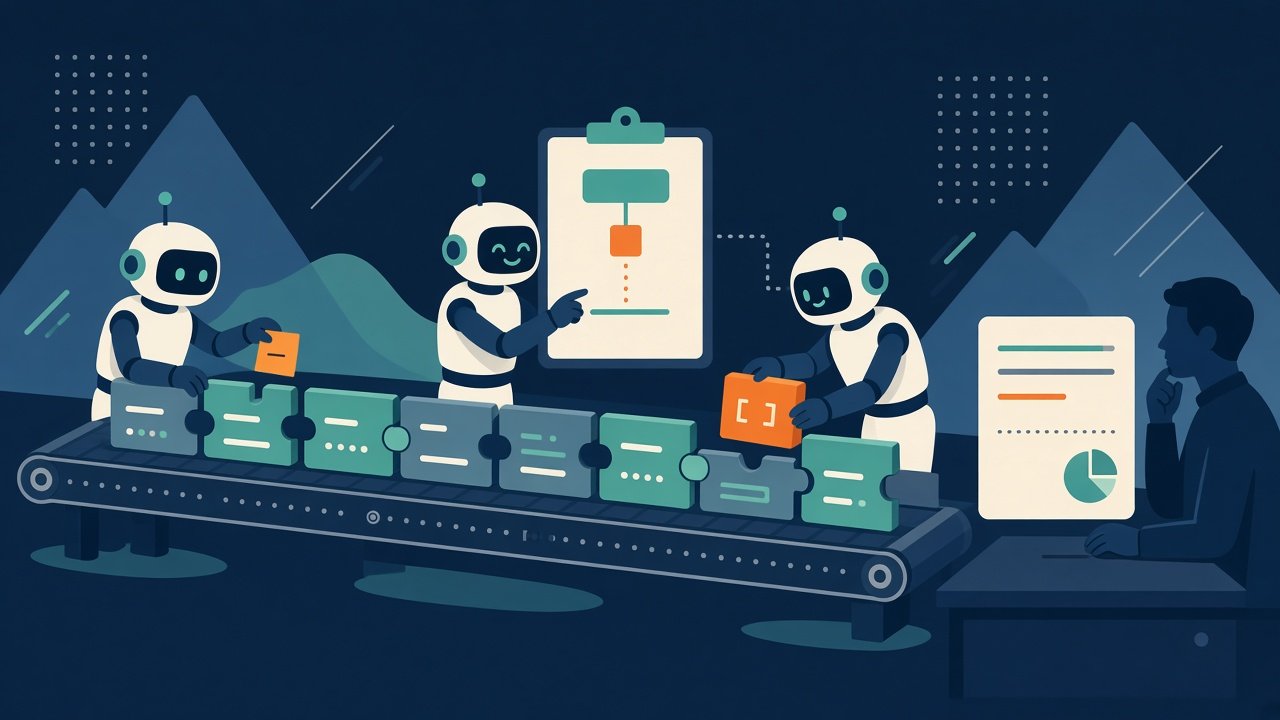
Skill files, the written instructions some agents load for specific jobs, can't cover the long tail of things people want done, he wrote. Running a separate agent per task helps but "basically kicks the can."
Memory is a related problem. Agents are "frustratingly forgetful even if I ask them to explicitly remember key things," Casado wrote.
Scheduling is another weak spot. Task schedulers "tend to not be durable," he said, and jobs can be lost during an agent upgrade. Without end-to-end guarantees on state, he argued, agents can't handle work that depends on those guarantees.
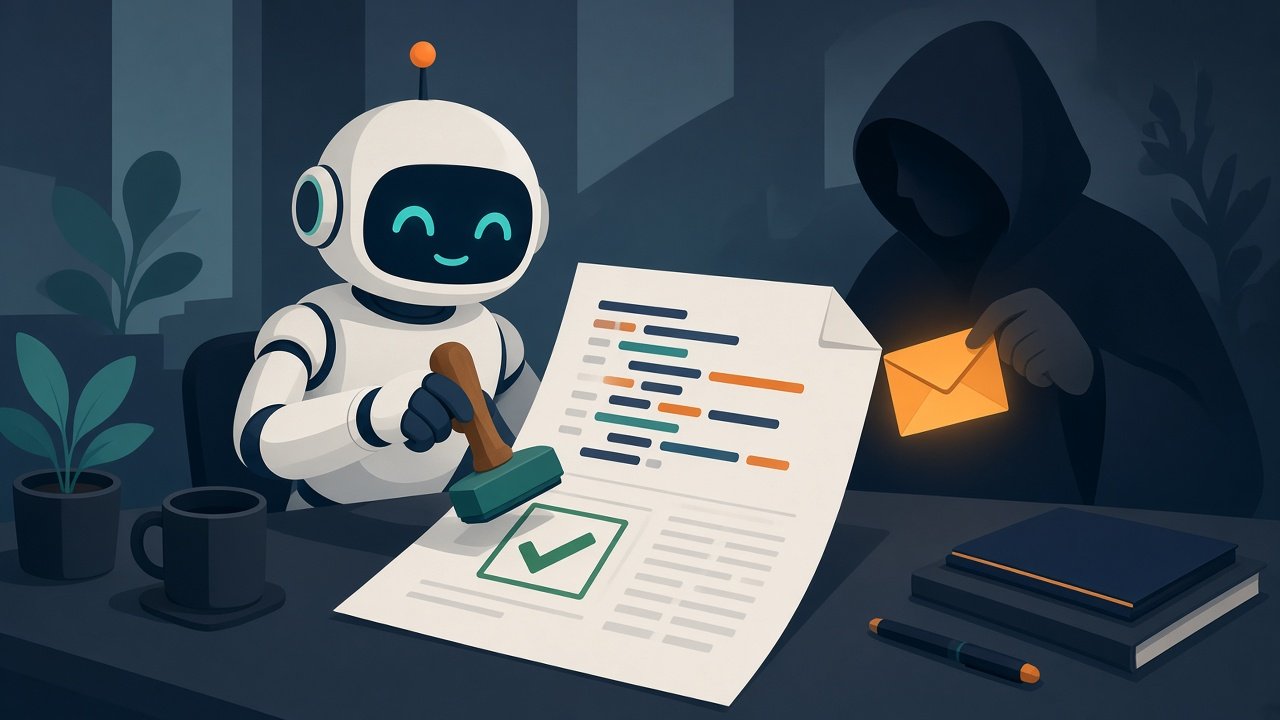
He also named reward hacking, the habit of a model optimizing for the look of a finished task rather than finishing it. "Agents often say they've done something when they haven't," he wrote.
Connections to outside software and hardware are "consistently flakey," according to Casado. Upkeep isn't hands-off either. He said he often has to log in remotely to Mac minis to upgrade or debug agents, "even commercial ones."
Agreement and pushback
David Haber, another general partner at Andreessen Horowitz, agreed in a reply and pointed to proactive agents, which act without being asked. "Persistence towards an explicit goal is really hard," he wrote. Choosing which task to pursue from a stream of signals is harder still, Haber said, because most signals call for no action, "so even a small error rate is noise."
Casado also reposted a reply that framed the issue as "a classic systems problem in an AI hat," arguing that "probabilistic agents on mutable state will always blow up in the tail."
Jason Lemkin, founder of the software community SaaStr, pushed back on the memory point. He said he was "incredibly impressed" by how well Replit handles context on projects spanning months. Lemkin credited Replit's compaction, a technique that condenses older context so a long session still fits in the model's window, while adding that it's "not remotely perfect."
Analysts saw the risk early
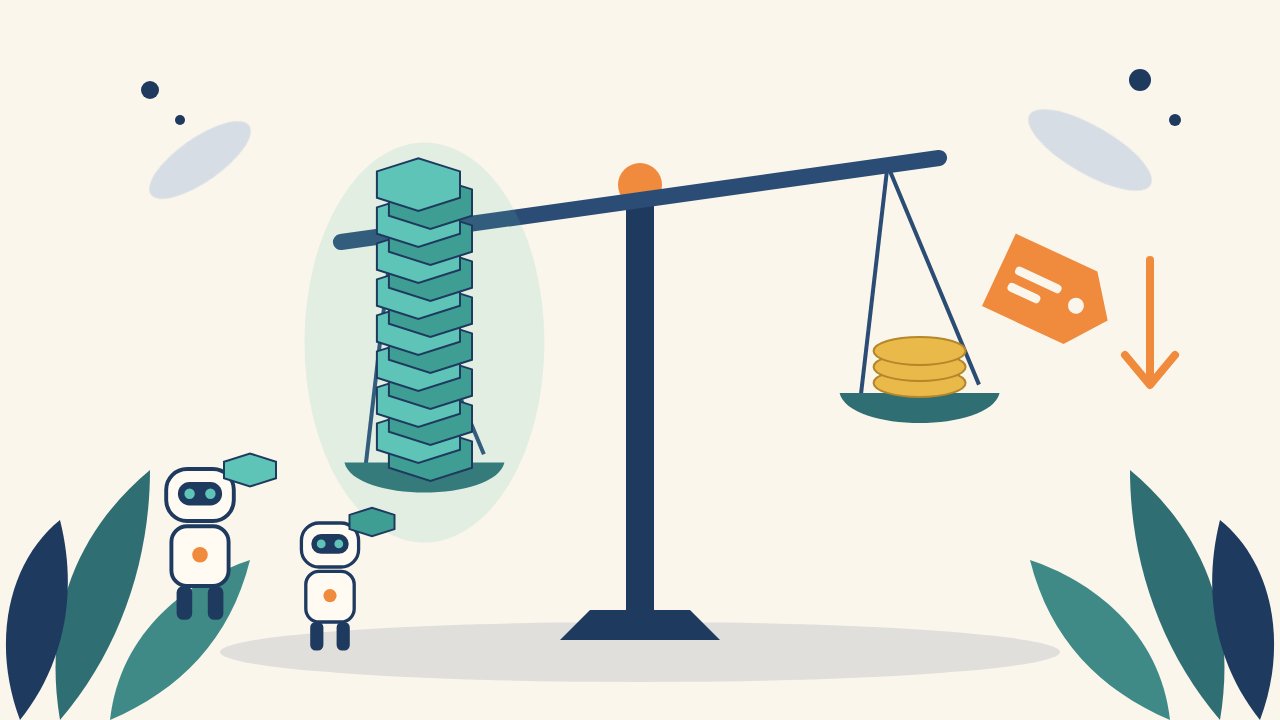
Gartner flagged a version of this in June 2025, when it predicted that more than 40% of agentic AI projects would be canceled by the end of 2027. The research firm's reasons included escalating costs and unclear business value.
Anushree Verma, a senior director analyst at Gartner, said at the time that current models "don't have the maturity and agency to autonomously achieve complex business goals or follow nuanced instructions over time."
Gartner also estimated that only about 130 of the thousands of vendors selling agentic AI were real. It called the rest "agent washing," the rebranding of chatbots and older automation tools as agents.
Source: X post, Martin Casado, general partner at Andreessen Horowitz (independent source), Nov. 28, 2026, “I use a lot of agents”
Additional sources: X post, Martin Casado, general partner at Andreessen Horowitz (independent source), Nov. 28, 2026, “Reply on personal and professional agents”; X post, Martin Casado, general partner at Andreessen Horowitz (independent source), Nov. 29, 2026, “Reply on coding agents”; X post, Jason Lemkin, founder of SaaStr (independent source), Nov. 28, 2026, “Reply on context rot and Replit”; X post, David Haber, general partner at Andreessen Horowitz (independent source), Nov. 28, 2026, “Reply on proactive agents”; Press release, Gartner (independent analyst firm), June 25, 2025, “Gartner predicts over 40% of agentic AI projects will be canceled by end of 2027”