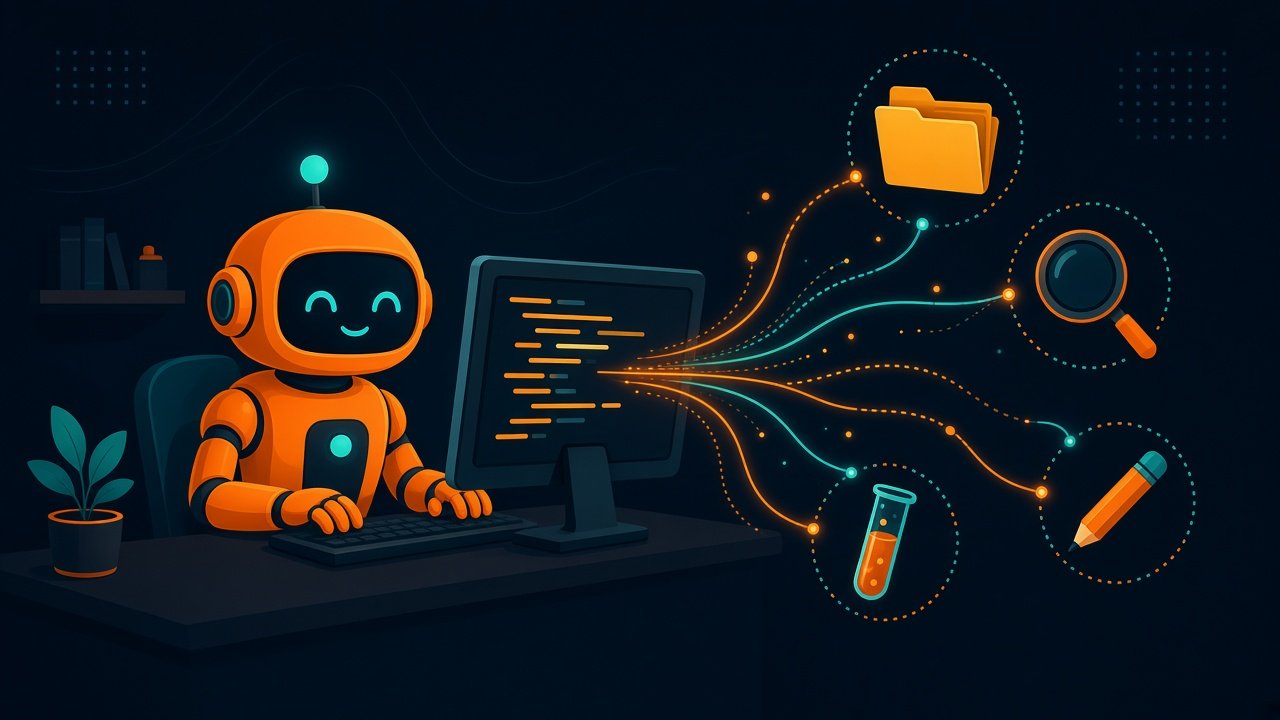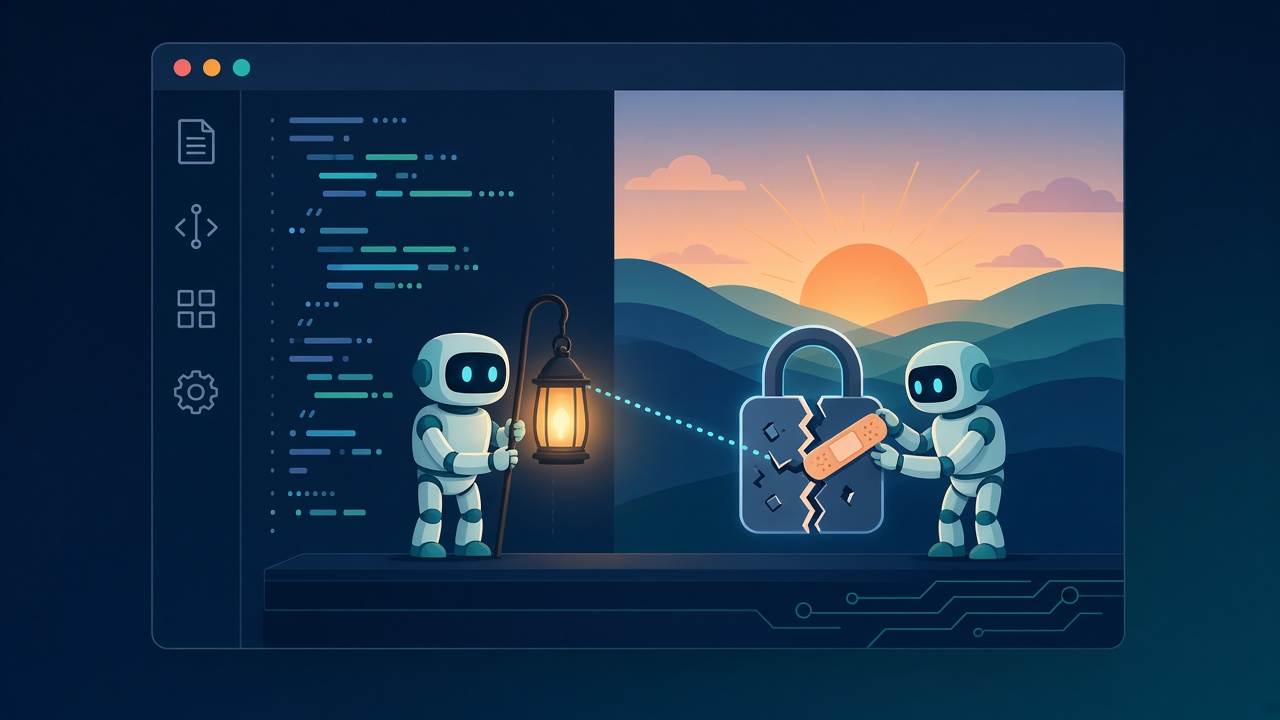
Simon Willison and the team at Prime Radiant have released three prototype tools that let developers run coding agents such as Claude Code and Codex on a Mac while every command those agents execute runs inside a separate Linux sandbox. The sandbox can only see the folders and network hosts the user allows, according to a post Willison published on the Prime Radiant blog on Nov. 16.
Prime Radiant calls the approach "external sandboxes." The name refers to the sandbox sitting outside the agent, not outside the computer, so both can run on the same machine.
Why the team built it
The post argues that coding agents can get things wrong, and that anything an agent can read or edit may end up damaged or compromised when they do. Approving every action by hand is "a terrible way to work," Willison wrote, because it is slow and leads to decision fatigue.
He noted that Anthropic and OpenAI already add AI-based checks, through Claude Code's auto mode and Codex's auto-review, to decide when an action is likely safe. Those checks still rely on a model judging each action correctly, the post says, while a sandbox "doesn't depend on any model's judgment." Willison wrote that the concern is sharper for cheaper or locally run models, which he described as more prone to mistakes and easier victims of prompt injection.
The team considered running agents inside sandboxes, the approach used by systems such as Fly's Sprites, and chose instead to keep the agent outside and send its commands in. According to the post, this stops the agent from modifying itself or its own environment and keeps the boundary easier to audit.
Three backends, one protocol
The release includes three compatible servers, according to the post. External-sandbox-v86 is a Node.js process that runs Alpine Linux inside v86, an x86 emulator compiled to WebAssembly. External-sandbox-container wraps Apple Containers, and external-sandbox-quicksand runs a full QEMU virtual machine through Microsoft's Quicksand.
All three expose the same localhost web API, and the project ships a protocol specification plus a conformance test runner so others can build compatible sandboxes. The simplest demo needs two npx commands and Node.js 22.19 or later, the post says.
Each agent hands over a different share of its work. Claude Code sends only its Bash commands to the sandbox, so its native Read and Edit tools still act on files on the Mac directly. Codex routes its process and filesystem operations, including its apply_patch tool, while Pi uses an extension that replaces its built-in tools with sandboxed versions.
Network rules and hidden keys
By default the sandbox has no network access. A proxy option allows HTTP and HTTPS traffic only to hosts the user approves, and the proxy can add API keys to requests for specific hosts so the secrets stay invisible to the agent, according to the post.
A browser interface offers a terminal, controls for changing proxy rules during a session and a log of network requests. Folders can be mounted read-only or read-write.
Limits the authors flag
Willison wrote that the tools are experimental prototypes that "have not been audited to a level that you should trust them with sensitive workloads." He also warned that a read-write mount still lets an agent damage anything in that folder, and advised keeping such folders under version control.
Because the sandboxes run Linux, dependencies built for macOS, such as a node_modules or .venv folder, may need to be reinstalled inside them, the post says. The team said its automated tests pass against Codex CLI 0.164.0 and noted that Codex's exec-server protocol is experimental, so other versions may need checking.
Prime Radiant asked developers who find flaws in the design to file issues on the external-sandbox repository on GitHub.
Source: Prime Radiant, “External sandboxes for coding agents”
Additional sources: GitHub, “prime-radiant-inc/external-sandbox”