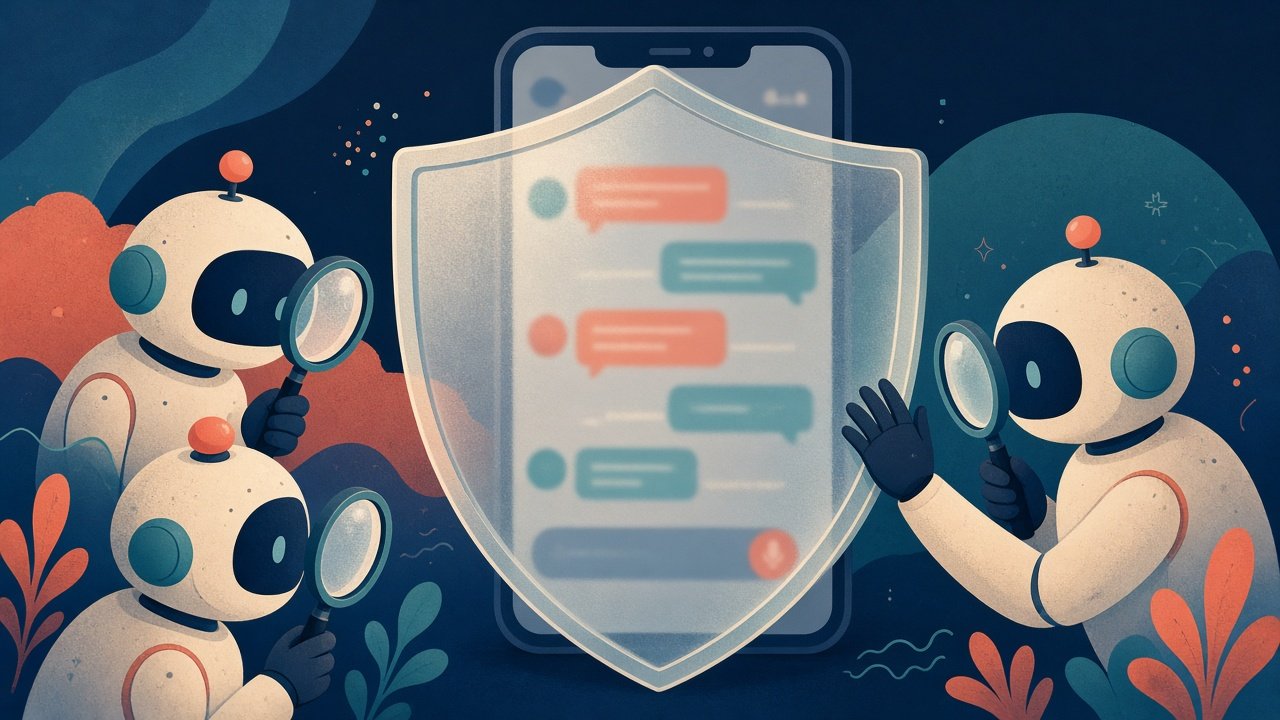
Some of the largest US banks are rewriting their customer agreements to say that people who let AI agents into their accounts are responsible for whatever those agents do, including mistakes and losses after a hack. Citibank changed its online user agreement this week, TechCrunch reported on November 18, and PNC changed its terms the same day. A new Wells Fargo agreement with a section on AI agents takes effect on November 24.
The changes come as agents such as Meta's Muse and OpenAI's dots start acting for users online by booking travel and making purchases according to Business Insider, which reviewed emails and app alerts banks sent to customers.
What the banks are telling customers
"When you use an AI service, you're responsible for any actions that the AI takes," Ally Bank told customers in an email earlier this month, according to Business Insider. The email added that AI "can make mistakes, hallucinate, misunderstand your instructions, or follow them in ways you didn't intend, which could lead to significant loss."
Citi added a banner to its website and mobile app linking to a page that said, "AI assistants can make mistakes, and that means you can be liable for errors it makes," Business Insider reported. TechCrunch reported that Citi's update also makes customers responsible for what hackers do with their account if an AI tool leaks their credentials or is breached.
"As third-party AI tools become more widely available, we want customers to understand the risks associated with sharing banking credentials or authorizing those tools to access their accounts," a Citi spokesperson told TechCrunch. Customers who give third-party agents account access "are responsible for activities conducted through those agents," the spokesperson said.
Chase told customers in a November email that "authorized transactions may not be reversible if your information is misused," according to Business Insider. TechCrunch reported that Citizens emailed its customers this week with a similar warning, and that JPMorgan and Bank of America announced comparable policies in October.
Wells Fargo puts it in writing
The Wells Fargo agreement adds a section titled "Third-Party Artificial Intelligence Agents or Agentic AI." It defines an AI agent broadly as any software that acts on someone's behalf, whether autonomously or not.
Any instruction or transaction an agent starts with a customer's login credentials is "deemed to have been initiated and authorized directly by you, without further verification." The agreement says use of an agent is "AT YOUR OWN RISK" and that the bank does not review agent activity. Unless law or regulation says otherwise, customers stay responsible for unintended actions and for actions that result from "manipulated inputs."
Customers must also revoke an agent's access themselves, keep evidence that they did so and hand that evidence over when the bank asks. American Banker reported that Wells Fargo appears to be the first bank to require that proof. Elaine Duffus, a senior specialized consultant at Wolters Kluwer, told the publication it remains unclear what happens if a customer follows every step "yet the agent went rogue."
The bank can also require customers to register their agents and can cut off agent access at any time.
Blocks and read-only tools
The new terms follow moves made in October. A client alert from the law firm Hunton said JPMorgan Chase, Charles Schwab, Citigroup and Wells Fargo each acted between October 13 and October 20 to block or contractually shift the risk of outside agents that log in with a customer's own credentials. Hunton said Wells Fargo chose new terms rather than a block, and that each bank still permits read-only data sharing through open banking connectors.
JPMorgan Chase CEO Jamie Dimon said on an October earnings call that the bank is "not going to allow just any outside agent to come in inside the company because that's just too risky for clients and for JPMorgan," according to Business Insider.
Banks also see outside agents as a competitive threat, TechCrunch reported. Citi's terms say customers can use agents that Citi itself provides without taking on that added liability. Anthropic's personal finance tool, launched earlier this month, is billed as read-only and unable to move money, TechCrunch reported.
Source: TechCrunch, “More banks say customers using AI agents are on their own, even if they get hacked”
Additional sources: Business Insider, “Banks are warning customers they could be liable for an AI agent's mistakes”; Wells Fargo, “Online Access Agreement, version effective November 24, 2026”; American Banker, “Wells Fargo wants customers to prove they've revoked AI agents”; Hunton, “Major Banks Move to Block or Limit Customer-Directed AI Agents”