Cursor released its Agent SDK on Oct. 20, the framework the company uses to build its own managed agents, so software teams can write and run agents of their own. It’s generally available now.
The SDK is what Cursor used to build Bugbot, its code-review agent, along with its Security Reviewer and Rollouts agents, the company said in a blog post. Cursor’s SDK changelog marks version 0.3.0 as the general-availability release.
Cursor’s argument is about fit. “The most useful agents are tailored to how a particular team operates,” the company wrote. “Until now, building one has generally meant adopting a product designed around someone else’s workflow or starting from scratch.”
Agents as code
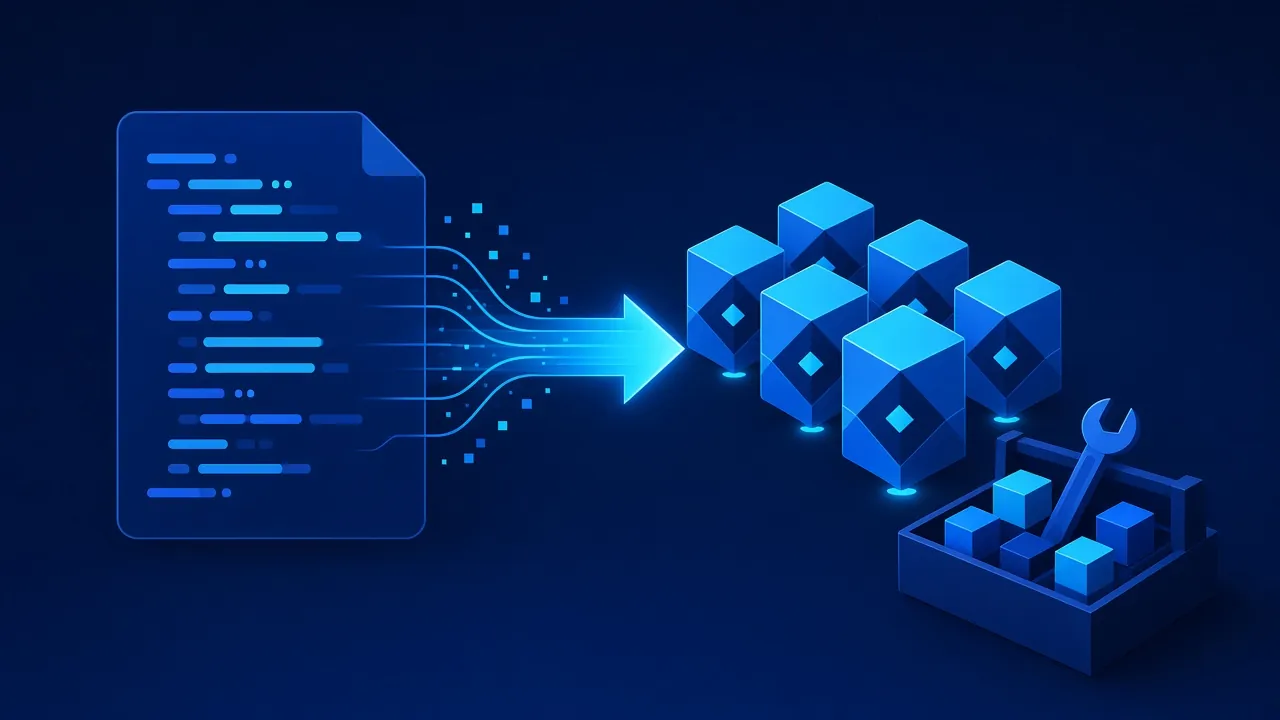
An Agent SDK agent is organized like a small software project, according to Cursor. Prompts are written in Markdown, and tools are TypeScript functions. Connections to outside services and the evals used to test the agent sit in the same project.
Because everything is code, changes to an agent can go through the same version control and code review as the rest of a team’s software. Cursor says its agents respond to events a team already handles, and follow policies the team can read and change.
Code review is the company’s main example. A team can build an agent that responds to pull requests from GitHub, GitLab or Bitbucket, assesses the risk of a change, sends it to the right reviewers and approves changes that meet the team’s policy.
Cursor described one built internally.
A team with a large, fast-growing knowledge base of lessons learned wanted every pull request checked against it. Using the SDK, it built a tool called kb-reviewer in about a day, Cursor says. The tool now runs on every pull request in that team’s main codebase, flags changes that contradict a recorded lesson and cites the note behind each finding.
For bigger jobs, an agent can hand a task to another specialized agent with its own tools, or split work among subagents running in parallel.
Testing and deployment
The SDK includes evals and event replay, which let developers rerun past events to check that an agent behaves as expected. Evals are repeatable tests of an AI system’s output.
The PGA Tour is an early user. “The Agent SDK has enabled PGA to build every component of our software factory on Cursor’s infrastructure,” the organization said in a statement Cursor published. It said built-in evals let it try new ideas quickly.
When an agent is ready, developers run agent-sdk deploy from the project folder. Cursor says the command builds the agent, gives it a URL and starts it on Cursor’s infrastructure. Teams manage secrets and integrations from a dashboard and keep the same logs and test playground they used locally.
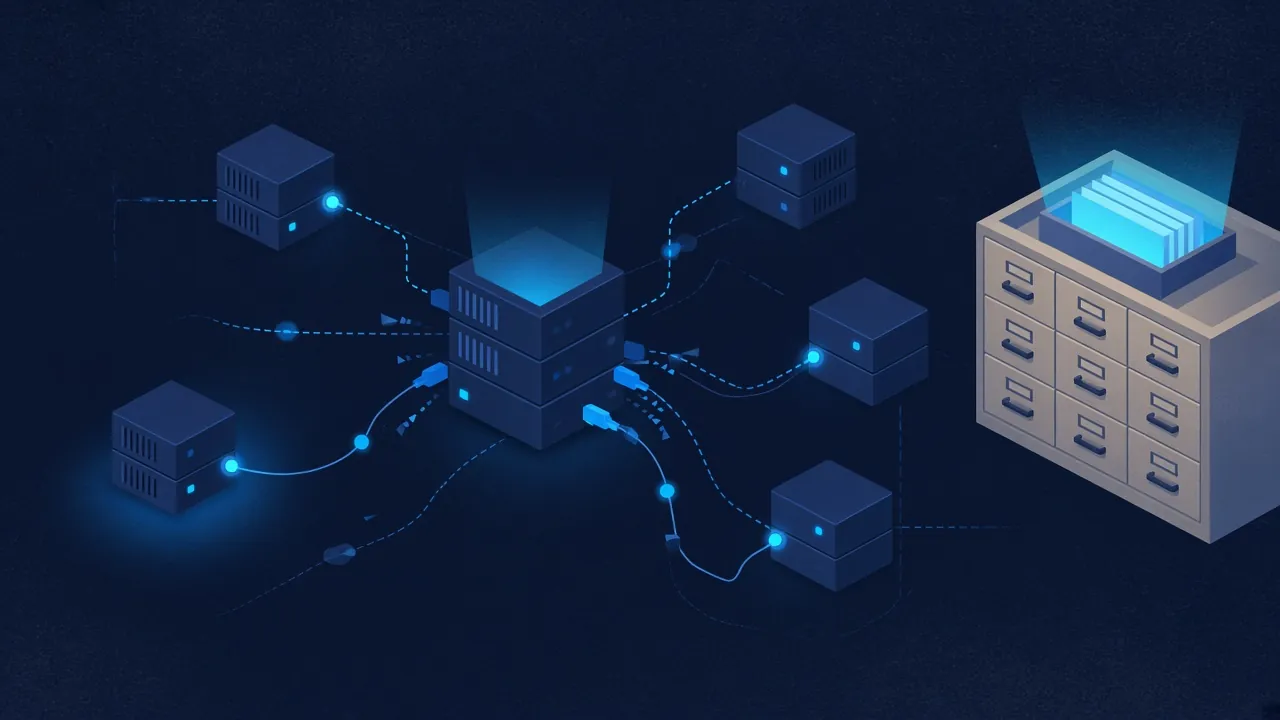
Teams can also skip Cursor’s servers. Each agent runs as a single Node process that can be packaged in a container and run on a company’s own infrastructure, according to the post.
The SDK also ships with skills that guide coding agents through building one, so a developer can point an AI coding agent at the documentation and have it help write the bot. Cursor didn’t publish separate pricing for agents deployed on its infrastructure in the announcement.
Source: Cursor, “Introducing the Agent SDK”
Additional sources: Cursor Docs, Cursor, “Agent SDK changelog”; Dark Factory Dev, “Cursor makes its Agent SDK generally available, for defining review and security agents in code”